10 Solo Travel Mistakes Beginners Make (And How to Avoid Each One)
Every experienced solo traveler has a cringe story — the missed train, the overpacked bag, the “quiet” guesthouse next to a nightclub. Solo travel mistakes are how you learn, but learning them from someone else’s experience is cheaper and far less stressful. Here are the ten mistakes beginners make most often, and exactly what to do instead.
1. Overpacking Like You’re Moving Abroad
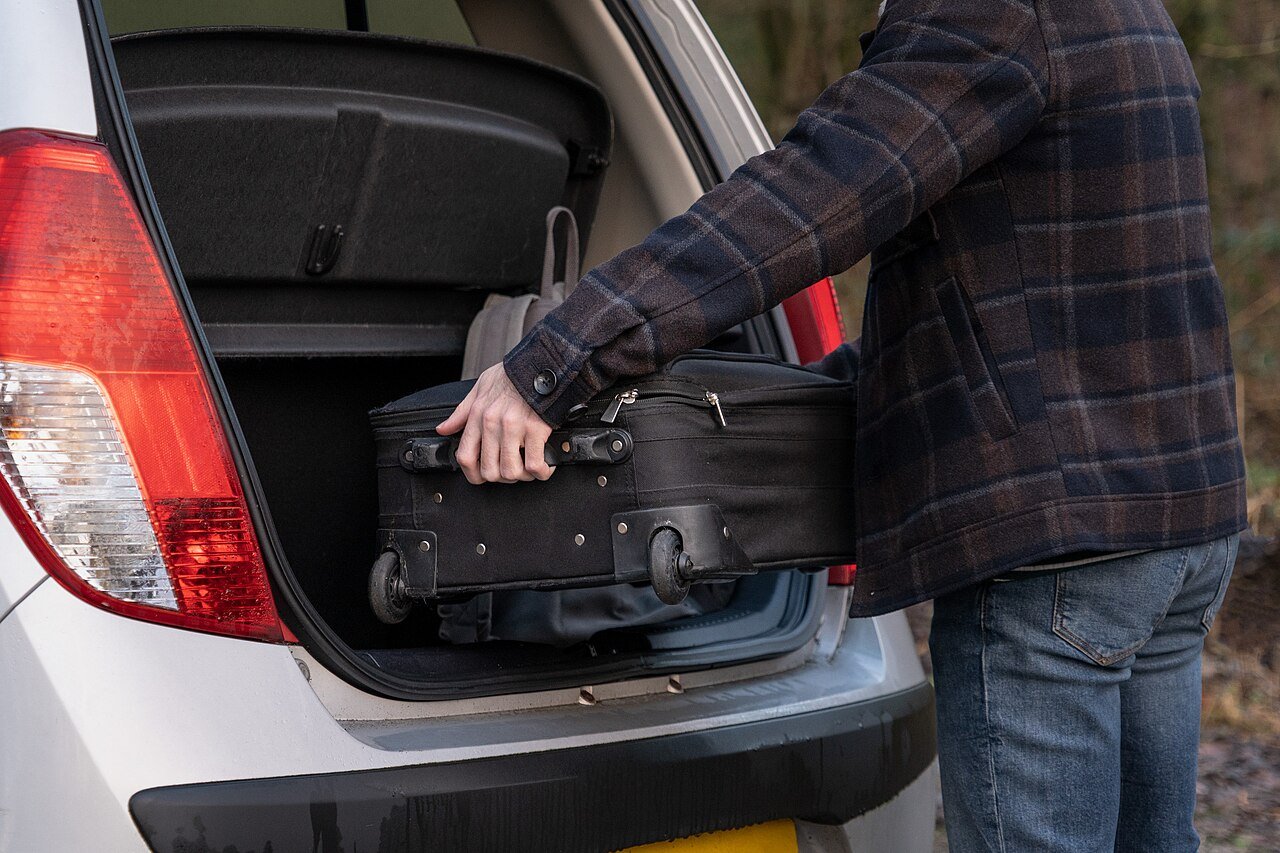
The mistake: A 23kg suitcase “just in case,” including outfits for every hypothetical scenario. Then you drag it up five flights of hostel stairs in Lisbon and hate your life.
The fix: One carry-on backpack or a small bag under 10kg. Lay out everything you think you need, then remove a third of it. One week of mix-and-match clothes is enough for any trip length — laundry exists everywhere. A lighter bag also has a hidden safety benefit: less stuff to watch, fewer hands needed, faster movement through stations. Our solo travel packing checklist lays out the exact formula.
2. Planning Every Hour of Every Day
The mistake: An itinerary so packed that day 4 becomes a death march between attractions. The best solo moments — the hidden café, the local festival, the conversation that changes your plans — all get skipped because “it’s not on the schedule.”
The fix: Plan 1–2 anchor activities per day, max, and leave the rest open. Think “structured flexibility”: your itinerary is a safety net, not a cage. Some of the best parts of any trip are the ones you never planned.
3. Skipping Travel Insurance to Save Money
The mistake: Treating insurance as an optional expense. Then a twisted ankle in Thailand or a stolen phone in Barcelona turns into a four-figure problem.
The fix: Insurance is the one line item you never cut. A policy that costs $40–80 for a two-week trip can cover a $6,000 hospital bill or an emergency evacuation. It’s the cheapest peace of mind in travel. Solo travelers especially need it — there’s no travel companion to lend you money or navigate a foreign hospital for you.
4. Arriving Somewhere New After Dark
The mistake: Landing at midnight in a city you’ve never seen, trying to find your hostel down unlit streets while exhausted.
The fix: Whenever possible, schedule arrivals in daylight. If you must arrive late, pre-book your accommodation and pre-arrange transport (airport pickup, a booked taxi, or a route you’ve already mapped). Save your hotel’s address in the local language on your phone so you can show it to any driver.
5. Carrying All Your Money in One Place
The mistake: Wallet with every card and all your cash in one pocket. One pickpocket — or one lost bag — and your trip is over.
The fix: Split your money into three layers: a day wallet with limited cash and one card, a hidden layer (money belt, interior pocket, or hotel safe) with your backup card and most of your cash, and digital access to a third option. Tell your bank you’re traveling before you leave so a fraud lock doesn’t freeze your only card at the worst moment.
6. Trusting Overly Friendly Strangers Too Fast
The mistake: The stranger who is too helpful — offering to take you to “their cousin’s shop,” insisting on walking you somewhere, or creating an urgent-feeling situation. Many scams that target solo travelers start exactly this way.
The fix: Be friendly but slow to trust. Never share your accommodation details with someone you just met. It’s completely fine to say “thanks, I’ve got it from here” and walk away. Genuine helpfulness exists everywhere — but it doesn’t come with pressure, urgency, or a sales pitch attached.
7. Posting Your Exact Location in Real Time
The mistake: Instagram stories from the café you’re sitting in right now, tagged with the exact location, while traveling alone.
The fix: Post with a delay. Share the café tomorrow, the beach after you’ve left. It’s a small habit change that removes a real risk — broadcasting to strangers that you’re alone at a specific place at a specific time.

8. Choosing Isolation Over Social Accommodation
The mistake: Booking a private apartment on night one, eating room-service dinner, and wondering why solo travel feels lonely. Solo travel doesn’t mean solitary travel — some of the best parts are the people.
The fix: Start with social accommodation: a well-reviewed hostel, a guesthouse with common areas, or a cooking class on day two. You can always retreat to privacy later. Forcing a little social contact early builds momentum. Our guide on how to meet people traveling solo has tactics that work even for introverts.
9. Ignoring Rest Days
The mistake: Sprinting for two weeks straight, then burning out so hard you spend the last three days in bed resenting the trip.
The fix: Build a rest day into every 5–7 days — sleep in, find a café, do laundry, plan the next leg. Travel fatigue is real and cumulative. A slow morning with coffee in a new city is still traveling.
10. Not Telling Anyone Your Plans
The mistake: Nobody back home knows where you are, where you’re staying, or when you were supposed to check in.
The fix: Share your rough itinerary with one trusted person — accommodation names, travel dates, and a check-in rhythm (a daily message, location sharing, whatever works). It takes five minutes and it’s the single most important safety habit in solo travel. Also save local emergency numbers in your phone before you arrive, not after you need them.
The Pattern Behind All Ten Mistakes
Notice what’s really going on: almost every beginner mistake is a version of the same two errors — carrying no margin (no buffer money, no buffer time, no buffer energy) and carrying no backup (no second card, no shared itinerary, no insurance). Solo travel rewards people who build in redundancy. The experienced solo traveler isn’t braver than the beginner — they’re just better prepared for the things that go wrong.
Make these fixes before your first trip and you’ll skip the painful lessons most people learn the hard way. And if you want the full planning framework — budget, timeline, booking order — our first solo trip budget and planning guide walks through it step by step.
FAQ
What is the biggest mistake first-time solo travelers make?
Overplanning and overpacking, together. A rigid itinerary removes the spontaneity that makes solo travel special, and a heavy bag makes every transit day miserable. Plan loosely, pack light, and leave room for the trip to surprise you.
Is it safe to travel solo as a beginner?
Yes — millions of people take their first solo trip every year without incident. The key is choosing a beginner-friendly destination, sharing your itinerary with someone at home, staying aware of your surroundings, and having travel insurance. Start with a well-traveled route rather than the most adventurous option.
How do I avoid getting scammed traveling alone?
Research common scams for your destination before you go, be wary of strangers who create urgency or offer unsolicited help, never follow anyone to a second location, and keep your valuables split across multiple places. Most scams rely on distraction and pressure — slowing down defeats them.
Should I book everything in advance for my first solo trip?
Book the first 2–3 nights of accommodation and your arrival transport in advance — that removes arrival stress. Beyond that, booking as you go gives you flexibility to stay longer where you love and leave early where you don’t. Just avoid arriving anywhere new late at night without a confirmed bed.