
10 Scams Targeting Solo Travelers & How to Avoid Them
Here’s an uncomfortable fact: solo travelers get targeted more. No second opinion, no one watching your bag, visibly alone in an unfamiliar place — scammers notice. But here’s the comforting fact: almost every scam works the same way everywhere, and once you know the playbook, you’re very hard to fool. This guide isn’t here to scare you. It’s here to make you the traveler scammers skip.
10 Common Scams Targeting Solo Travelers
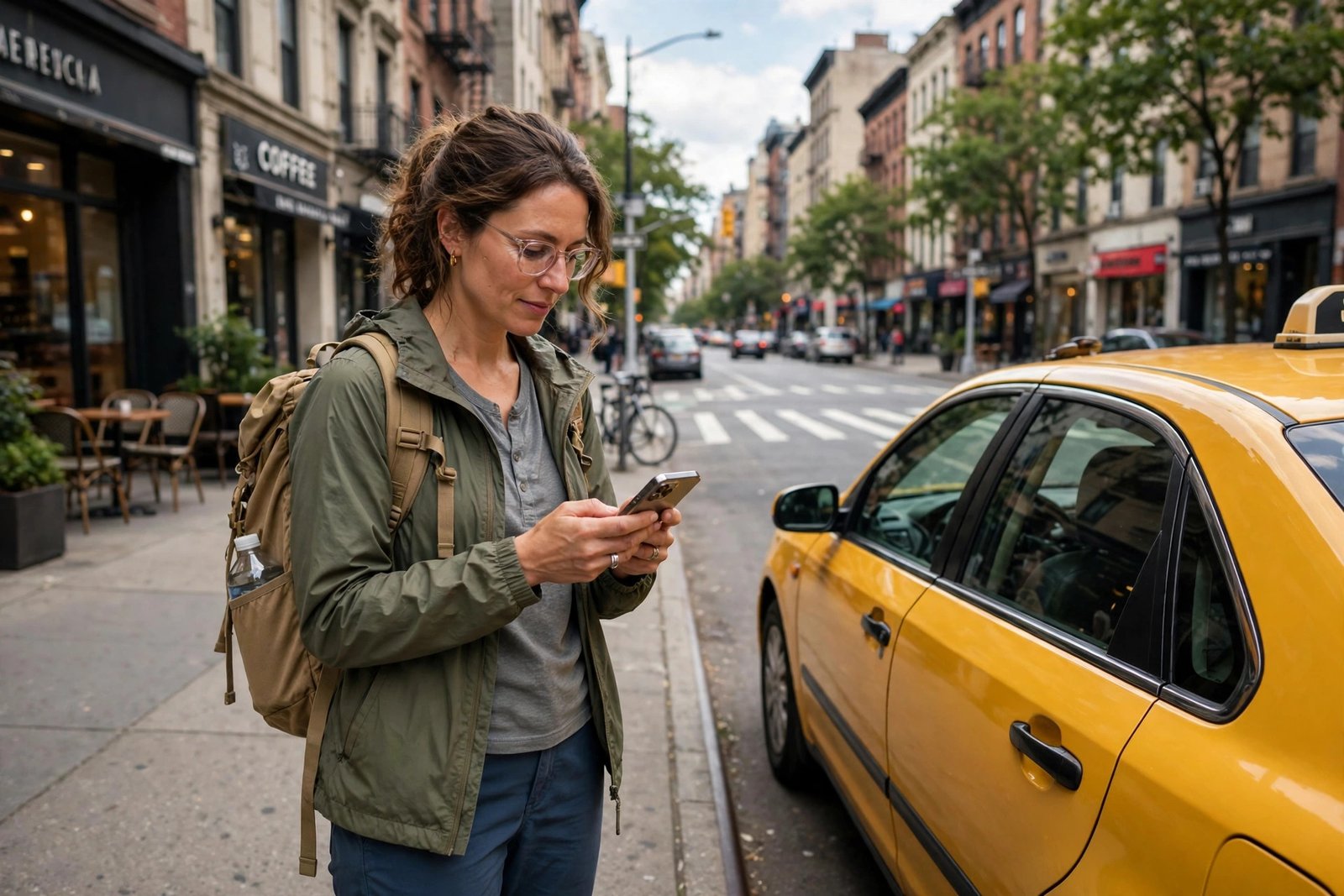
1. The Taxi or Tuk-Tuk Overcharge (“Broken Meter”)
How it works: The driver quotes an outrageous price, or the meter “doesn’t work today.” You’re tired, you just landed, and you pay.
Red flags: No meter running, vague pricing, driver refuses to give a price before you get in.
How to avoid: Check the normal fare before you arrive (ask your hotel or check online). Agree on the price before getting in. Better yet, use a ride-hailing app like Grab, Uber, or Bolt wherever available.
2. The “Hotel Closed / Moved” Redirect
How it works: On the way from the airport, your driver announces your hotel is “closed,” “overbooked,” or “moved” — but he knows a “better” place. He gets a commission from the new hotel; you get a worse room at a higher price.
Red flags: The claim comes only from the driver; your booking confirmation says otherwise.
How to avoid: Trust your booking. Insist on being taken to your hotel. Call the hotel while in the taxi if you’re unsure. A real closure would come with an email, not a taxi driver’s word.
3. The Fake Police Officer
How it works: Someone flashes a badge and claims there’s a problem — counterfeit money, a “routine check” — and asks to see your wallet. Real officers don’t do wallet inspections on the street.
Red flags: Plainclothes “officers,” demands to see cash, pressure and urgency.
How to avoid: Never hand over your wallet. Offer to walk together to the nearest police station — scammers will vanish. Carry a photocopy of your passport, not the original, so you have ID without risking the real document.
4. The Friendly Stranger’s “Deal” (Gems, Jewelry, Art)
How it works: A friendly local strikes up a conversation, befriends you over tea, then reveals an amazing deal on gems, jewelry, or art that you can “resell at home for triple.” The goods are worthless.
Red flags: A deal that requires you to spend money based on a stranger’s tip, urgency (“today only”), and secrecy (“don’t tell anyone”).
How to avoid: Remember: genuine business deals don’t come from random strangers on the street. Enjoy the tea, skip the “investment.” If you’re actually interested in local crafts, buy from established shops with fixed prices.
5. Drink Spiking
How it works: Something is slipped into your drink at a bar or club — then robbery, or worse, follows. Solo travelers at nightlife spots are prime targets.
Red flags: Overly attentive strangers buying you drinks, drinks that taste strange, sudden extreme drowsiness.
How to avoid: Watch your drink being made, never leave it unattended, accept drinks only from bartenders, and go easy on alcohol when you’re alone in unfamiliar nightlife. Trust your body: if you feel wrong, get to your accommodation immediately.
6. Free Wi-Fi and Charging-Station Data Theft
How it works: Fake “Free WiFi” hotspots or tampered public USB charging stations capture your data — logins, banking details, everything.
Red flags: Unsecured networks with official-sounding names, USB charging ports in odd places.
How to avoid: Use a VPN on public Wi-Fi, avoid logging into banking on open networks, and carry your own charger with a USB data-blocker. Your phone’s hotspot beats any “free” network.
7. ATM Skimming
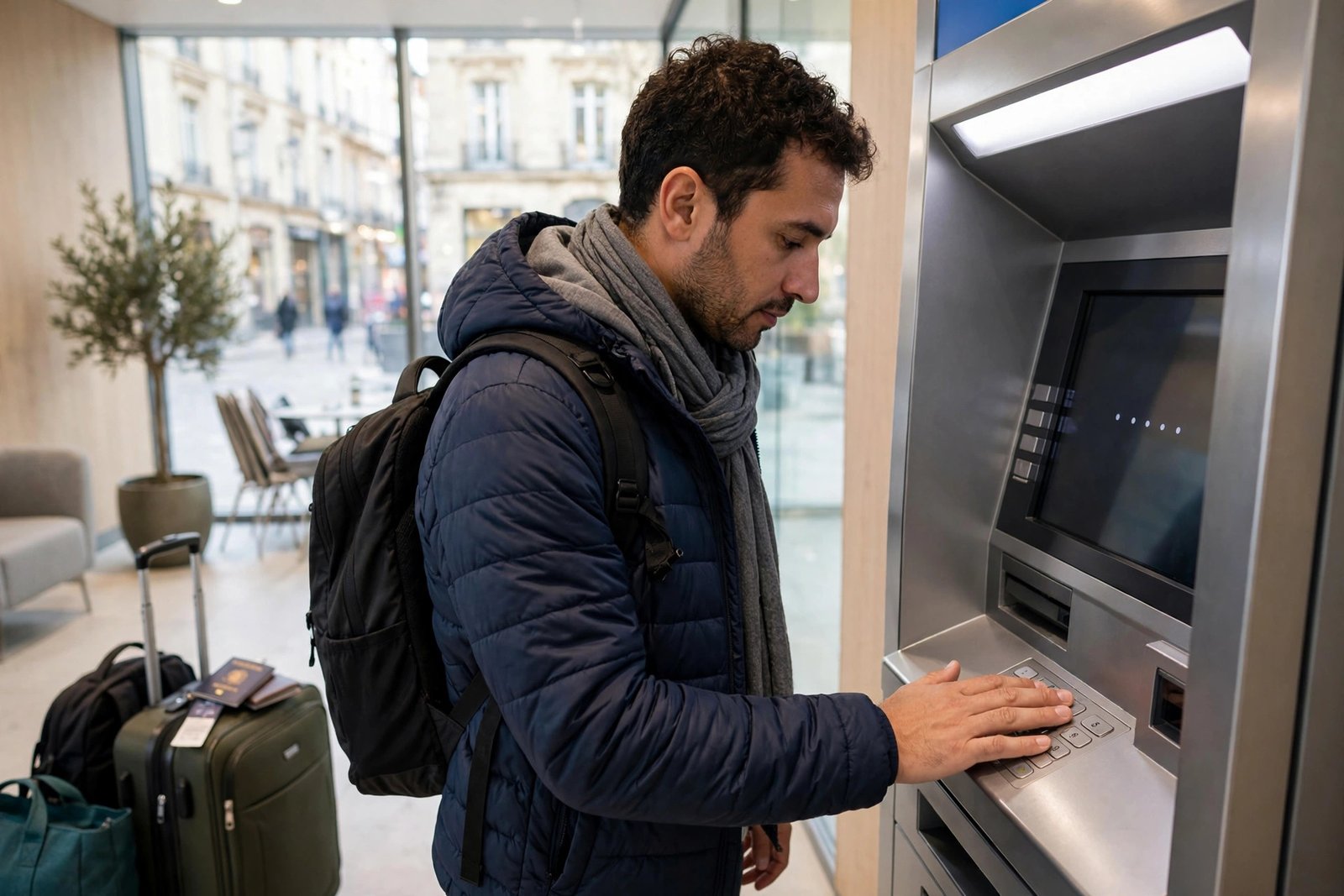
How it works: A device fitted over an ATM card slot copies your card data; a hidden camera catches your PIN. Later, your account is drained.
Red flags: Loose or bulky card slots, ATMs in isolated spots, anyone hovering nearby.
How to avoid: Use ATMs inside banks, wiggle the card slot before inserting, cover your hand when entering your PIN, and check your bank app regularly. Notify your bank of your travel dates so fraud gets flagged fast.
8. The Timeshare / “Free Gift” Trap
How it works: A friendly promoter offers a “free” gift, tour, or prize — you just need to attend a 90-minute presentation. The presentation is high-pressure, hours long, and ends with you signing something expensive.
Red flags: Anything “free” that requires attending a presentation, pressure tactics, paperwork on the spot.
How to avoid: There is no free lunch. Politely decline every “free gift with presentation” offer. Your travel time is worth more than any gift.
9. Fake Tour Operators
How it works: A “tour company” on the street or a slick website sells you a tour, takes your money, and the tour never happens — or it’s a fraction of what was promised.
Red flags: Cash-only payments, no reviews, prices far below everyone else, pressure to book “now.”
How to avoid: Book tours through reputable platforms (GetYourGuide, Viator, Klook) or your hotel. Read recent reviews. Pay by card when possible so you can dispute charges.
10. Currency Exchange and Bill-Switching Tricks
How it works: A money changer counts your money with lightning-fast hands and short-changes you, or a vendor claims you handed them a smaller bill than you did (“bill switching”).
Red flags: Street money changers, rushed counting, anyone handling your cash too fast to follow.
How to avoid: Exchange at banks or official bureaus. Count your money slowly yourself before walking away. When paying cash, state the bill’s value out loud as you hand it over.
7 Golden Rules to Avoid Scams Anywhere
- Research prices before you arrive. Know what a taxi, a meal, and a hotel room should cost. Scammers thrive on your ignorance.
- Agree on fares upfront. Before the taxi moves, before the boat leaves. No exceptions.
- Use ride-hailing apps. Fixed prices, tracked routes, digital receipts.
- Split your valuables. Keep cards, cash, and documents in different places. If one is lost, you’re not stranded.
- Never hand over your passport. Show a photocopy. Hotels can copy it at check-in; nobody needs to keep it.
- Don’t flash cash or expensive gear. Blend in. The less you look like a target, the less you are one.
- Learn “no” in the local language. A firm, friendly “no thank you” in the local tongue ends most approaches instantly.
What to Do If You Get Scammed
It happens to experienced travelers too. Don’t beat yourself up — act:
- Stay calm. Anger and panic make bad decisions. Take a breath.
- Note the details. Names, license plates, locations, times, descriptions. Write them down immediately.
- Report to local police. You may need the report for insurance. Ask your hotel for help with the language barrier.
- Contact your embassy if documents were stolen — they can issue emergency replacements.
- Call your bank to freeze compromised cards, and file an insurance claim with your police report.
Getting scammed once makes you sharper, not weaker. Every seasoned traveler has a story.
Frequently Asked Questions
Are solo travelers more likely to be scammed?
Honestly, yes — slightly. You’re visibly alone, there’s no one to double-check a suspicious situation, and scammers read that. But awareness closes the gap completely. An informed solo traveler is a harder target than a clueless group.
What is the most common tourist scam in the world?
The taxi overcharge. It happens in nearly every tourist city on earth: no meter, inflated fare, scenic “detours.” Ride-hailing apps have killed most of it — use them.
Should I carry my passport with me while traveling?
Carry a photocopy (or a phone photo) day to day. Keep the real passport locked at your accommodation. The only exceptions: border crossings and situations where original ID is legally required.
What should I do if someone tries to scam me in the moment?
Stay polite but firm, don’t engage in arguments, and walk away toward people or into a shop. Scammers want easy targets — someone who resists calmly isn’t worth their time.
Final Word: Awareness Beats Anxiety
Scams targeting solo travelers are real, but they’re also predictable — the same ten tricks, recycled worldwide. You now know all of them. That’s the whole game: awareness beats anxiety every time. Travel smart, trust your instincts, and don’t let the fear of scams keep you from the experiences that make solo travel extraordinary.