Is Thailand Safe for Solo Female Travelers in 2026? Honest Safety Guide
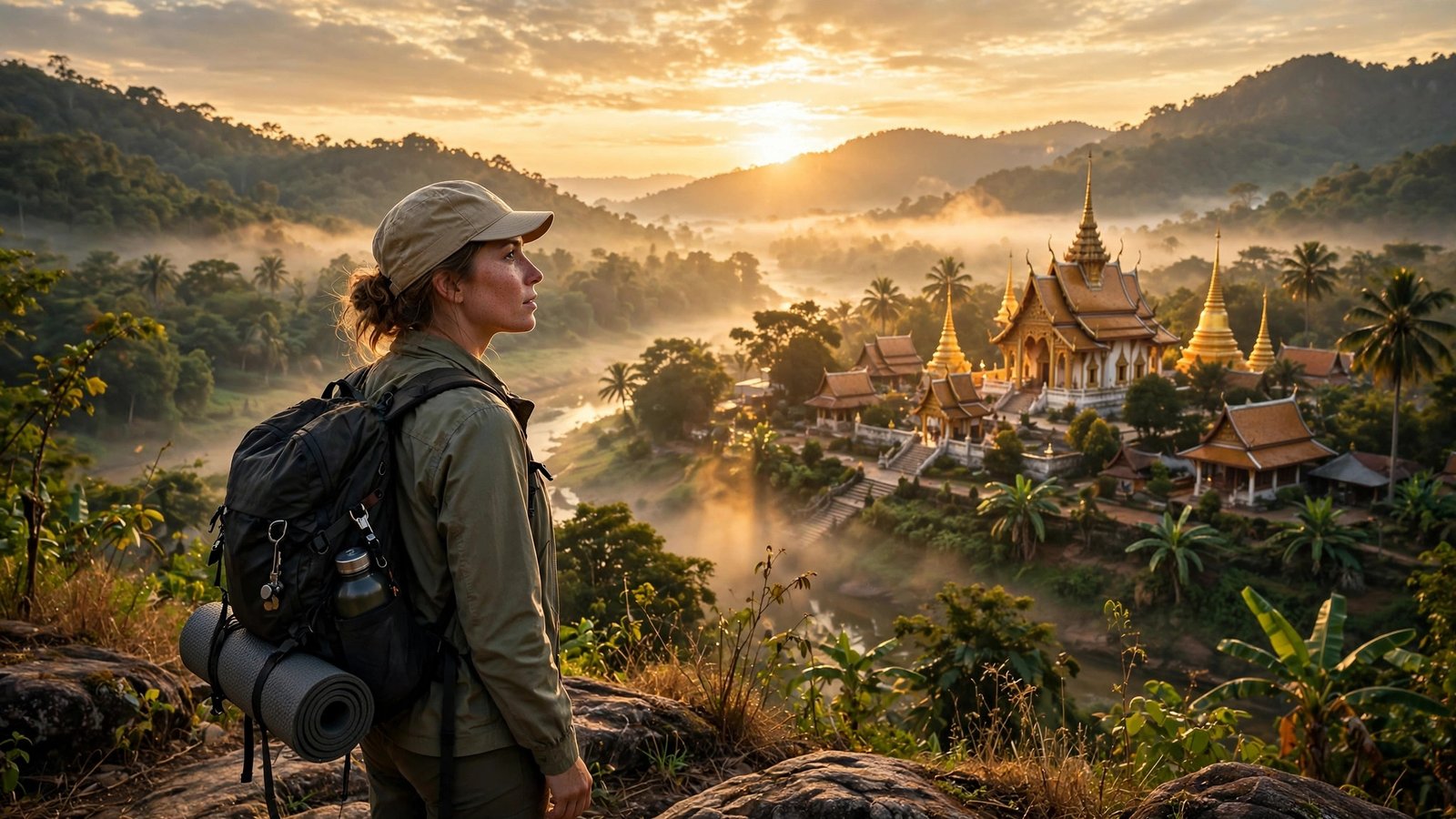
So, is Thailand safe for solo female travelers in 2026? The short answer is yes — Thailand remains one of the most popular and welcoming destinations in the world for women traveling alone. Many solo travelers describe feeling comfortable exploring its cities, islands, and night markets independently, and the country’s tourism infrastructure is built around making visitors feel at ease.
That said, “safe” does not mean “risk-free.” Like anywhere else in the world, a little preparation goes a long way. This honest guide covers the safest areas, transport tips, scams to watch out for, and cultural etiquette — everything you need to explore Thailand solo with genuine confidence.
The Honest Answer: Yes, With Common-Sense Precautions
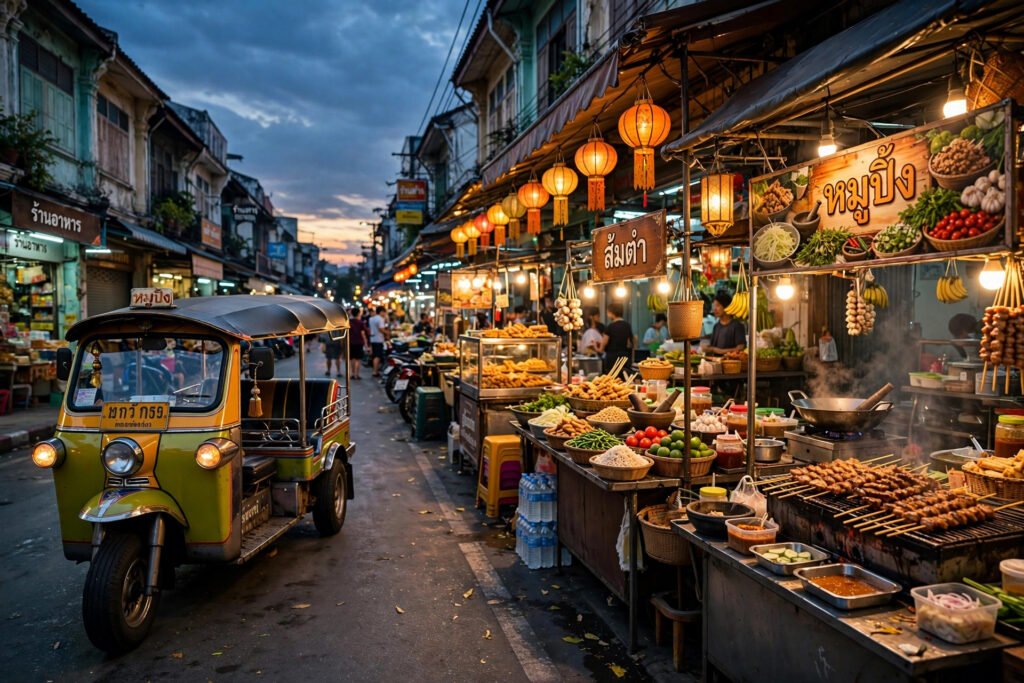
Thailand has welcomed solo female travelers for decades, and it shows. Tourist areas are well-lit and busy, hospitality staff are generally helpful, and there is a massive community of women traveling the same routes — you will rarely feel like the odd one out. Violent crime against tourists is uncommon; the realistic risks are the same ones found in most tourist destinations worldwide: petty theft, overcharging, and tourist-targeted scams.
What makes Thailand especially manageable is the infrastructure: English is widely spoken in tourist zones, the tourist police have a dedicated hotline, and getting around is cheap and straightforward.
Safest Areas for Solo Female Travelers in Thailand
Bangkok
Bangkok is busy, bright, and far less intimidating than it looks on a map. Stick to well-known neighborhoods like Sukhumvit, Silom, and the riverside area, where hotels, hostels, and restaurants cluster together. The BTS Skytrain and MRT subway make it easy to avoid late-night street hails. Avoid wandering alone down quiet, unlit side streets (sois) late at night, as you would in any big city.
Chiang Mai
Chiang Mai, in the north, is a favorite among solo women for good reason. The old city is compact and walkable, the Nimman area is full of cafes and coworking spaces, and the overall pace is calmer than Bangkok.
The Islands: Koh Samui, Koh Lanta, and Koh Phangan
Thailand’s islands are classic solo-travel territory. Koh Samui and Koh Lanta have a laid-back, family-friendly atmosphere with plenty of beachfront accommodation. Koh Phangan is famous for its Full Moon Party, though many solo travelers prefer visiting outside party weeks when the island is quieter. On any island, choose accommodation on well-trafficked beaches rather than isolated coves.
Pai and the North
The mountain town of Pai draws backpackers from everywhere and has a gentle, communal vibe. It is small enough to explore on foot, and the night walking street is lively without feeling rowdy. It is a great add-on after Chiang Mai for a slower few days.
Areas to Research Carefully
The US State Department rates Thailand Level 1 (exercise normal precautions) nationwide, with Level 2 (exercise increased caution) carve-outs for the Thai-Cambodian border area and the deep-south provinces of Yala, Pattani, and Narathiwat. The UK FCDO advises against all but essential travel to those southern provinces and near the Cambodia land border. Check the live US and UK travel advisory pages before traveling, as the border situation can change.
Getting Around Safely: Transport Tips
Transport is where a few simple habits make all the difference.
- Use the Grab app. Grab gives you upfront pricing, a tracked route, and driver identity — far safer than negotiating with street taxis at night.
- Insist on the meter. In Bangkok, metered taxis are required to use the meter by law. If a driver refuses, walk away and find another.
- Agree tuk-tuk prices first. Tuk-tuks are fun for short daytime hops. At night, or for longer distances, prefer Grab or the train.
- Overnight trains and buses. Thailand’s sleeper trains are a beloved experience. Book first-class or a lower berth in second-class sleeper for extra comfort, keep valuables in a small bag with you, and use the curtains for privacy.
- Ferries. Stick to established operators for island crossings, especially in rough-sea season. If a boat looks overloaded, skip it — there is always another one.
- Motorbike rentals. Scooters are tempting but risky. Foreigners need a home-country license with a motorcycle endorsement plus an International Driving Permit, and helmets are mandatory for rider and passenger. Never leave your original passport as a rental deposit — use a photocopy plus a cash deposit instead. Make sure your travel insurance covers motorbikes, as many standard policies exclude them. Photograph existing scratches before leaving the shop.
6 Common Scams to Watch Out For
None of these are dangerous, but knowing them in advance saves money and frustration:
- “The temple is closed today.” A classic near the Grand Palace. A friendly stranger tells you the attraction is closed and offers to take you to a “better” temple — which ends at a gem or suit shop where they earn commission. The palace is almost certainly open; smile and walk on.
- The free tuk-tuk tour. A driver offers a cheap or free city tour that mysteriously includes stops at tailors and jewelry stores. You are under no obligation to buy anything, but your afternoon will vanish.
- Jet ski and scooter damage claims. On some beaches, renters are accused of pre-existing scratches and pressured to pay. Photograph everything before riding, or skip jet skis entirely.
- Taxi and tuk-tuk overcharging. Drivers refusing the meter or quoting flat fares “because traffic.” Insist on the meter, agree tuk-tuk fares before the ride, or use Grab.
- Fake travel agents. Overly pushy “tourist information” offices selling inflated bus and tour tickets. Book through your accommodation or reputable platforms instead.
- Drink spiking. Rare but real in party areas. Watch your drink being made, never leave it unattended, and be cautious about accepting drinks from strangers.
Cultural Etiquette Every Solo Traveler Should Know
Respecting local customs keeps interactions warm and avoids accidental offense:
- Temples: Cover your shoulders and knees, and remove your shoes before entering temple buildings. The Grand Palace is the strictest about the dress code. Many solo travelers carry a light sarong for this — it doubles as a beach cover-up.
- Head and feet: The head is considered sacred and feet the lowest part of the body. Avoid touching anyone’s head (even children) and avoid pointing your feet at people or Buddha images.
- The monarchy: Thailand has strict lèse-majesté laws. Never make critical remarks about the royal family, and treat images of the king with respect.
- The wai greeting: A slight bow with palms pressed together is the traditional greeting. As a visitor, a smile and a nod are perfectly fine.
- Dress code: Beachwear belongs at the beach. In towns and cities, casual but neat clothing earns warmer treatment.
10 Practical Safety Rules for Solo Women in Thailand
- Share your itinerary with someone at home, including accommodation names and dates.
- Choose well-reviewed accommodation (look for ratings around 8.5 or higher) in central areas.
- Lock up valuables — use the room safe or a portable cable lock for your bag.
- Get a local SIM or eSIM on arrival so you always have maps and Grab access.
- Save emergency numbers: Tourist Police 1155 (English, 24/7), Police 191, Ambulance 1669, Fire 199.
- Keep digital and paper copies of your passport separate from the original.
- Learn a few Thai phrases — even basic greetings change how people treat you.
- Trust your instincts. If a situation feels off, leave. Politeness is never worth your safety.
- Buy travel insurance that covers medical emergencies and your planned activities.
- Limit alcohol in unfamiliar settings and always keep an eye on your drink.
Frequently Asked Questions
Is Thailand safe for a woman traveling alone for the first time?
Yes — Thailand is widely considered one of the best first-time solo destinations in the world. The tourist infrastructure is excellent, English is common in visitor areas, and you will meet plenty of other solo travelers. Standard precautions (the ones in this guide) are enough for a safe, enjoyable trip.
What should solo female travelers avoid in Thailand?
Avoid unlicensed taxis at night, isolated beaches after dark, renting jet skis from pushy vendors, and the far southern border provinces without checking current advisories. Also avoid criticizing the monarchy and dressing inappropriately at temples — both can cause serious problems.
Is Bangkok safe for solo female travelers at night?
Central Bangkok is generally safe at night thanks to the BTS/MRT trains, bright streets, and busy night markets. Stick to well-lit areas, use Grab instead of street-hailed taxis after dark, and avoid empty side streets alone — the same rules you would follow in any major city.
Do I need to dress conservatively in Thailand?
Not strictly, but modest dress is appreciated — especially at temples, where shoulders and knees must be covered. In cities and tourist areas, normal casual clothing is fine. Save swimwear for the beach and pool, and carry a sarong for temple visits.
Keep exploring: Before you fly, run through our Solo Travel Packing Checklist 2026 so nothing essential gets left behind, and if this is your very first solo adventure, our Step-by-Step Budget Guide walks you through planning the whole trip from scratch.