Southeast Asia Solo Itinerary: The Perfect Two-Week Route
The classic Southeast Asia solo itinerary 2 weeks dilemma: everything looks unmissable, and you have 14 days. Most first-timers either try to see four countries (spending the trip in transit) or stay in one place (missing the variety). The perfect route threads the needle: two countries, well-connected stops, a mix of culture, nature, and beach, and a pace that lets a solo traveler actually settle in.
This itinerary covers Thailand and Cambodia — the most forgiving first-timer combination, with the best tourist infrastructure and the strongest solo-traveler scene. (Prefer Vietnam? Our Vietnam beginner’s guide pairs perfectly as an alternative second week.) All transport costs below are typical 2026 estimates — check current prices when booking.
The Route at a Glance
Bangkok (3 nights) → Siem Reap, Cambodia (3 nights) → Bangkok transit → Thai islands — Koh Tao or Railay (4 nights) → Chiang Mai (3 nights) → fly home from Chiang Mai or Bangkok
Why it works: every stop has a dense solo-traveler scene, transport between stops is straightforward, and the mix covers cities, temples, beaches, and mountains.
Total transit time: roughly 1.5 days — anything more means you’re traveling through Southeast Asia rather than in it.
Days 1–3: Bangkok — Arrive and Orient

Land, recover, and ease into Asia. Bangkok is intense on arrival — heat, traffic, sensory overload — so don’t overschedule.
- Day 1: Arrive, check in, nap. Evening: explore Khao San Road area or the slightly calmer Soi Rambuttri. Eat pad thai from a street cart. Sleep early — you’ll thank yourself.
- Day 2: Grand Palace and Wat Pho in the morning before heat and crowds peak; rest midday. Evening: Chinatown (Yaowarat) food walk — completely normal to do solo.
- Day 3: Jim Thompson House or Chatuchak Weekend Market (if weekend — go early). Evening: rooftop bar or Chao Phraya dinner cruise.
Solo tips: Stay near Khao San (social), Sukhumvit (great Skytrain access), or Riverside (quieter). Use the BTS/MRT — cheap and air-conditioned. Agree tuk-tuk prices upfront, or use Grab.
Days 4–6: Siem Reap, Cambodia — Angkor Wat
Fly Bangkok to Siem Reap (typically $50–100 one-way, about 1 hour — book a few weeks ahead for the best prices). This is the cultural heart of the trip.
- Day 4: Arrive midday, settle in. Afternoon: explore Pub Street area and the night markets. Book your Angkor tuk-tuk driver for tomorrow (your hotel arranges this — typically $15–20 for the day, estimate).
- Day 5: Angkor Wat at sunrise, then the full temple circuit: Angkor Thom (Bayon’s faces), Ta Prohm (the “Tomb Raider” temple swallowed by jungle), and Banteay Srei if energy allows. This is a long, hot, magnificent day — bring water, sunscreen, and pace yourself. The 3-day temple pass exists, but one full day covers the essentials for most travelers; use the extra time elsewhere.
- Day 6: Slow morning and a cheap massage. Afternoon: Angkor National Museum or Tonle Sap floating village. Evening: Phare Cambodian Circus — perfect solo.
Solo tips: Siem Reap runs on tourism — hostels organize nightly group dinners and the temple circuit is full of solos. Hiring your own tuk-tuk driver for the day is cheap and flexible.
Days 7–10: Thai Islands — Beach Reset

Fly or bus back through Bangkok to the islands. Two excellent solo options:
Option A: Koh Tao (Gulf side). The diving island — even non-divers love it. Small, walkable, social, with a strong backpacker scene. Getting certified here (typically $250–350 for the open water course, estimate) is a classic solo-traveler move: 3–4 days of structured activity with built-in buddies.
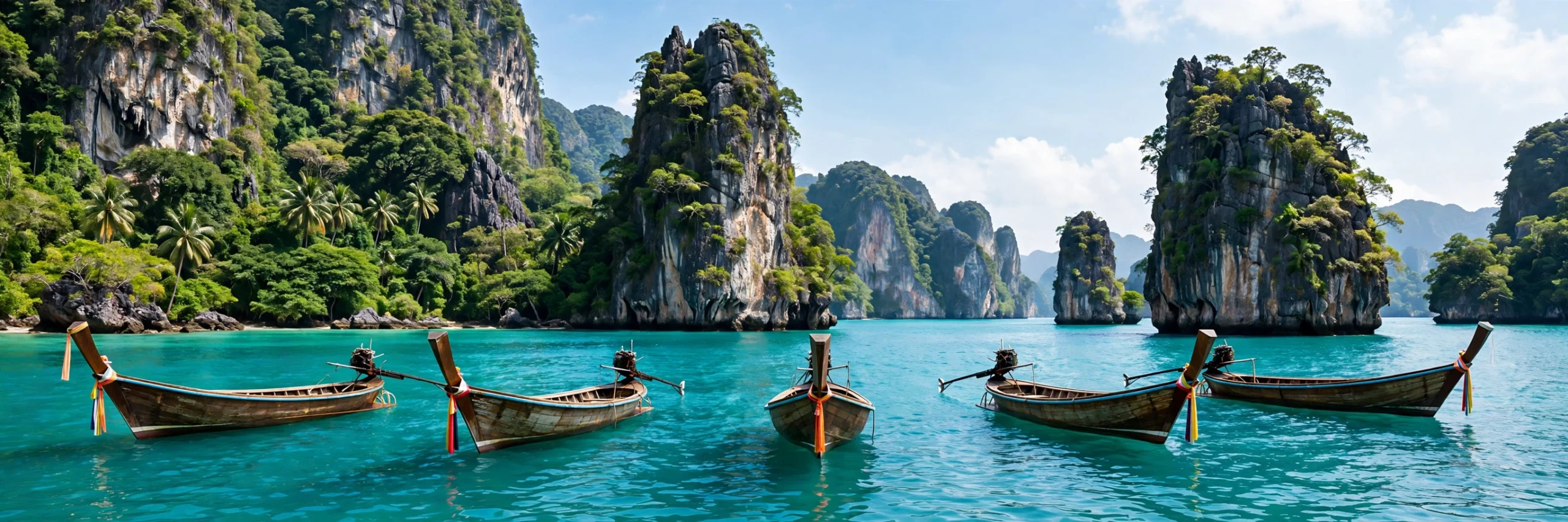
Option B: Railay Beach, Krabi. Stunning limestone cliffs, accessible only by boat — more scenic, slightly less social than Koh Tao.
- Day 7: Travel day — fly to Koh Samui or Krabi, then ferry/boat. Embrace it as rest.
- Days 8–9: Beach time, snorkeling or diving, a viewpoint hike, lazy lunches — the trip’s decompression chamber.
- Day 10: One structured activity (snorkeling trip, climbing intro, or cooking class), then a final sunset.
Solo tips: Island hostels are the most social accommodation in Southeast Asia — dorms here empty onto the same beaches and bars nightly. If you’re diving, the dive school becomes your instant social circle.
Transport estimates: Bangkok–Siem Reap flight $50–100; Siem Reap–Bangkok return similar. Bangkok to islands: flights to Koh Samui or Krabi typically $40–90, plus ferry $10–20. Buses are half the price but take 8–12 hours — as a solo traveler with limited days, fly.
Days 11–13: Chiang Mai — Mountains and Culture
Fly from the islands (via Bangkok) to Chiang Mai in the north (typically $40–80, estimate). Northern Thailand is cooler, calmer, and culturally rich — the perfect final act.
- Day 11: Old-city temples (Wat Phra Singh, Wat Chedi Luang); night markets in the evening.
- Day 12: Ethical elephant sanctuary — book observation-only (no riding; the 2026 standard). Full-day programs typically run $60–100 (estimate).
- Day 13: Doi Suthep temple in the morning, Thai cooking class in the afternoon — the classic farewell.
Solo tips: The old city is compact and walkable, guesthouses are cheap and social, and cafes are full of solo remote workers.
Day 14: Departure
Fly home from Chiang Mai (via Bangkok), or take the overnight sleeper train back to Bangkok — a classic Southeast Asia experience.
What to Skip (and Why)
With only two weeks, saying no matters as much as saying yes:
- A fourth country. It costs 2+ days in transit. Save it for trip two.
- Full Moon Party timing. Unless it genuinely appeals to you, don’t warp your itinerary around Koh Phangan’s party calendar. The islands are great without it.
- Overnight buses to “save a night.” You arrive wrecked and lose the next day. Fly instead.
- The “must-see” you don’t care about. Not into temples? Shorten Siem Reap. Don’t dive? Pick Railay over Koh Tao. The itinerary is a template — bend it toward your interests.
Practical Essentials for the Route
- Visas: Thailand offers visa-free entry to most nationalities (typically 30–60 days — verify for your passport). Cambodia offers visa-on-arrival or e-visa (around $30–36, estimate). Check current requirements before flying.
- Money: ATMs charge foreign-card fees (typically $5–7 in Thailand, estimate) — withdraw larger amounts less often. Carry a no-foreign-fee card and some USD cash for Cambodia.
- Health: Bottled water, sunscreen, rehydration salts. Our sick-while-traveling playbook covers the rest.
- Packing: One carry-on is enough for this entire route — see our carry-on packing guide. Laundry is cheap and fast everywhere on this itinerary.
- Connectivity: Local SIMs or eSIMs are cheap (typically $5–10 for generous data, estimate). Get connected on day one — maps, Grab, and translation apps are essential tools.
Budget Estimate for the Full Two Weeks
Excluding international flights: roughly $900–1,400 for a comfortable mid-range trip (estimate), $600–800 budget, $1,500+ for more comfort. See our solo travel cost breakdown for details.
FAQs
Is two weeks enough for Southeast Asia? For two countries done well — yes. For the whole region — no, and don’t try. This Thailand + Cambodia route gives you cities, temples, beaches, and mountains without spending the trip in transit. Think of it as trip one of several.
What’s the best time of year for this itinerary? November to February is ideal — cooler, drier weather across Thailand and Cambodia. March–May is hot; June–October is rainy season (though rain usually means afternoon downpours, not all-day washouts, and prices drop).
Is this route safe for solo travelers? Yes — Thailand and Cambodia are among the most established solo-travel destinations in the world, with huge independent-traveler communities at every stop. Standard precautions apply: watch your belongings, use Grab over street taxis, and don’t leave drinks unattended.
Should I book everything in advance? Book your international flights and first two nights ahead. For the rest, booking 2–3 days ahead as you go preserves flexibility — and in shoulder season, walk-in availability is fine. Peak season (December–January) warrants more advance booking, especially on the islands.
Two weeks, two countries, zero regrets.