Solo Travel in Your 30s: Why It’s the Perfect Decade to Go
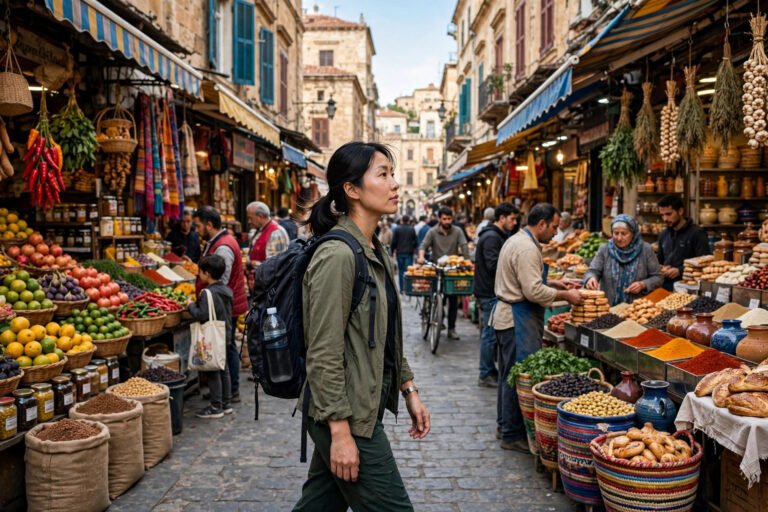
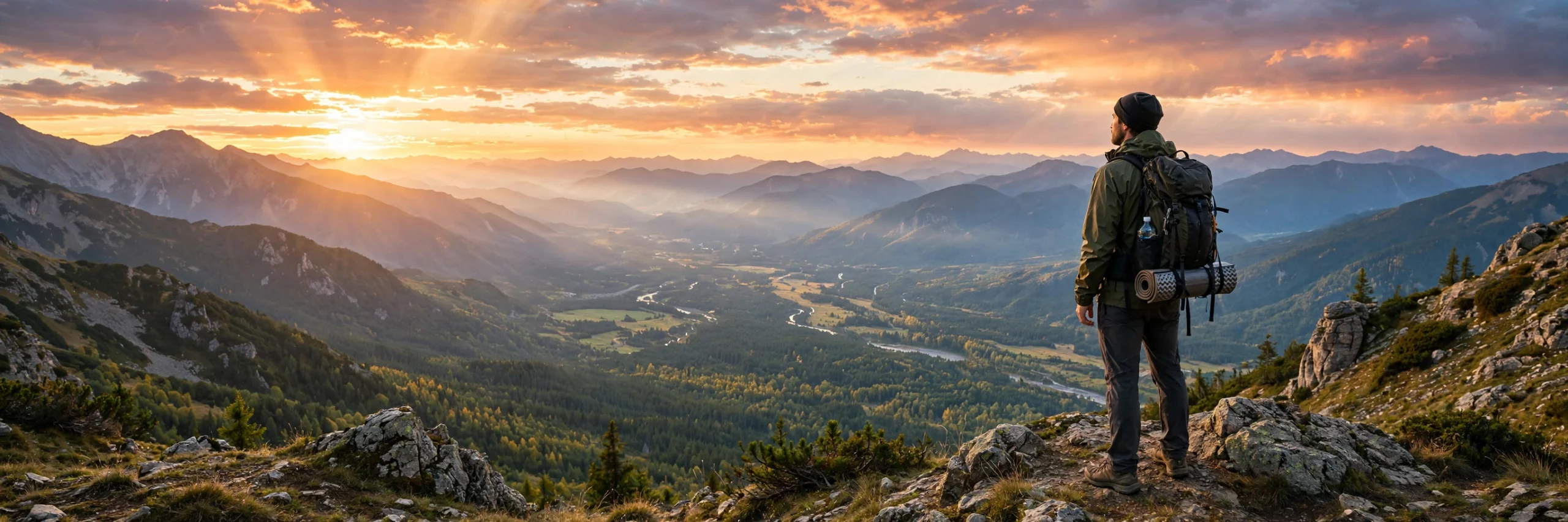
There’s a persistent myth that solo travel belongs to gap-year 20-somethings — and that by your 30s you should have “settled into” couple trips and group holidays. Ignore it. Solo travel in your 30s might be the single best decade to travel alone: you have more money than you did at 22, better judgment, clearer taste in what you actually enjoy, and (crucially) the self-knowledge to travel the way you want instead of the way the hostel common room expects.
Your 30s change the equation in ways that mostly work in your favor. Here’s how to make the most of them.
Why Your 30s Are Actually the Sweet Spot
Money. You’re likely earning more than at 22 — the private room when you want it, the direct flight instead of the 14-hour layover. Solo travel has no cost-splitting, so real income removes the biggest friction.
Taste. At 22, you went where everyone went. At 32, you know whether you’re a museum person or a mountain person, whether you recharge alone or with people, whether you want nightlife or early mornings. That self-knowledge turns good trips into great ones — you stop wasting days on things you don’t actually enjoy.
Confidence. Navigating a foreign train system, handling a scam attempt, eating alone in a nice restaurant — all easier with a decade of adult life behind you. The beginner mistakes that trip up first-timers are largely mistakes of inexperience, and you have less of it now.
Selectivity. You no longer feel obligated to say yes to everything. Skipping the 5 a.m. party bus for a slow morning isn’t FOMO — it’s a feature. Traveling in your 30s means optimizing for your enjoyment, not the group’s.
The Real Challenges (and How to Handle Them)

Honesty requires naming the frictions too:
Time off is the scarcest resource. With 2–4 weeks of leave, be strategic: stretch weekends with public holidays, take one big two-week trip instead of three short ones, and explore occasional remote work — even a few “work from anywhere” weeks transform your volume. Our digital nomad basics guide covers the angle.
Friends are harder to coordinate. Everyone’s calendar is full — which is the strongest argument for solo travel: the trip you take alone beats the trip that never happens.
The social scene shifts. Hostel common rooms skew younger, and that’s fine — but your social strategy should adapt (more below).
“Am I Too Old for Hostels?” — The Honest Answer
No. But you should hostel differently than you did at 23:
- Choose boutique and design hostels over party hostels. The modern hostel scene has grown up with you — many now cater to a 25–40 crowd with private rooms, good bars, co-working spaces, and quiet hours.
- Book private rooms in hostels. You get the social common areas and organized events with a door that closes. In many cities, a hostel private room costs barely more than a dorm bed did a decade ago — and far less than a hotel.
- Filter by vibe, not just price. Read recent reviews for words like “social but chill,” “great common area,” “good for meeting people.” Avoid anything described as a party hostel unless that’s what you want.
- Smaller dorms when you dorm. A 4–6 bed dorm in a well-reviewed hostel is a completely different experience from a 12-bed party dorm. Female-only dorms in quality hostels are consistently well-regarded.
- Age limits exist but are rare. A handful of hostels cap at 35–40. The vast majority welcome all ages — and nobody is checking IDs at the common room door.
The travelers who feel “too old” for hostels are usually just in the wrong hostels. Upgrade the filter, not the accommodation category.
The Best Trip Styles for Your 30s

With money, limited time, and clear taste, certain trip styles shine:
Slow travel. One city for two weeks instead of five cities in ten days. Rent an apartment, find your coffee shop, take a class. Slow travel suits the 30s because you’re optimizing for depth and rest, not checklist tourism — and it’s cheaper per day.
Learning trips. Language immersion in Oaxaca, a cooking course in Bologna, surf camp in Portugal, pottery in Japan. Your 30s are when “I want to come home with a skill” starts beating “I want to come home with photos.” These trips are also inherently social — classes are full of solo travelers.
Adventure with comfort. You can still hike the Inca Trail or dive in Palau — but now you book the good operator, the comfortable lodge, the private guide when it matters. Adventure doesn’t have to mean suffering anymore.
The hybrid trip. A week of independent travel bookended by a small-group tour, or vice versa. You get the social ease of a group plus the freedom of solo days. Many 30-something solos find this the perfect balance.
Sabbatical-style breaks. If your career allows it, a 1–3 month career break in your 30s is increasingly normal — and it’s the closest most people get to the freedom of gap-year travel with the budget of an adult.
Meeting People in Your 30s (Without the Hostel Bar Crawl)
The social playbook evolves:
- Activity-based meeting. Cooking classes, walking tours, surf lessons, group hikes — structured activities attract your age group and give you something to talk about. This beats bar small talk at any age.
- Co-working spaces. If you work remotely even occasionally, co-working hubs in places like Lisbon, Bangkok, and Mexico City are full of 30-something solos. Built-in community, zero effort.
- Supper clubs and food tours. The 30s social scene runs on food. Group food tours, cooking classes, and supper clubs are where independent travelers your age actually gather.
- Sports and fitness. Group runs, surf camps, yoga retreats, cycling tours — shared physical activity is the fastest friendship accelerator there is.
- Online communities first. Solo travel groups (many specifically for 30+ travelers) let you find travel buddies for specific legs before you go. Our guide to meeting people while traveling solo has the full playbook.
Money Tactics for the Time-Poor 30s Traveler
When time is scarcer than money, spend to save time:
- Pay for the direct flight. A $150 premium that saves 8 hours is the best travel purchase there is.
- Stay central. An hour of transit saved daily equals a full day back on a 10-day trip.
- Book the good tour operator. The cheapest option wastes limited days; the well-reviewed one maximizes them.
- Keep the 20s habits that still work: shoulder season, some home-cooked meals, good public transport.
For the numbers side, our solo travel cost breakdown helps you budget realistically.
FAQs
Am I too old for hostels in my 30s? No — but choose differently than at 23. Boutique hostels with private rooms, smaller dorms, and a 25–40 crowd are designed for you. Filter reviews for vibe, avoid party hostels, and you’ll find hostels full of people your age.
Is it weird to travel solo in your 30s? Not at all — it’s increasingly the norm. A large share of solo travelers are in their 30s and 40s, and the travel industry has adapted with 30+ group tours, boutique hostels, and co-working travel scenes. Nobody finds it strange; many find it admirable.
How do I meet people traveling solo in my 30s? Through activities, not bars: cooking classes, walking tours, surf camps, group hikes, supper clubs, and co-working spaces. Structured activities attract your age group naturally. Online solo-travel communities also help you connect before you go.
How can I travel more with limited vacation days? Stack public holidays onto weekends for 9–10 day trips, take one long trip instead of several short ones, and explore remote-work options — even occasional “work from anywhere” weeks multiply your travel time. Shoulder-season travel also means fewer crowds in the days you do have.
Your 30s aren’t when solo travel ends — they’re when it gets good. The only thing between you and the trip is the group chat that will never agree on dates. Go alone.