Digital Nomad Solo Travel: The Honest Beginner’s Guide for 2026
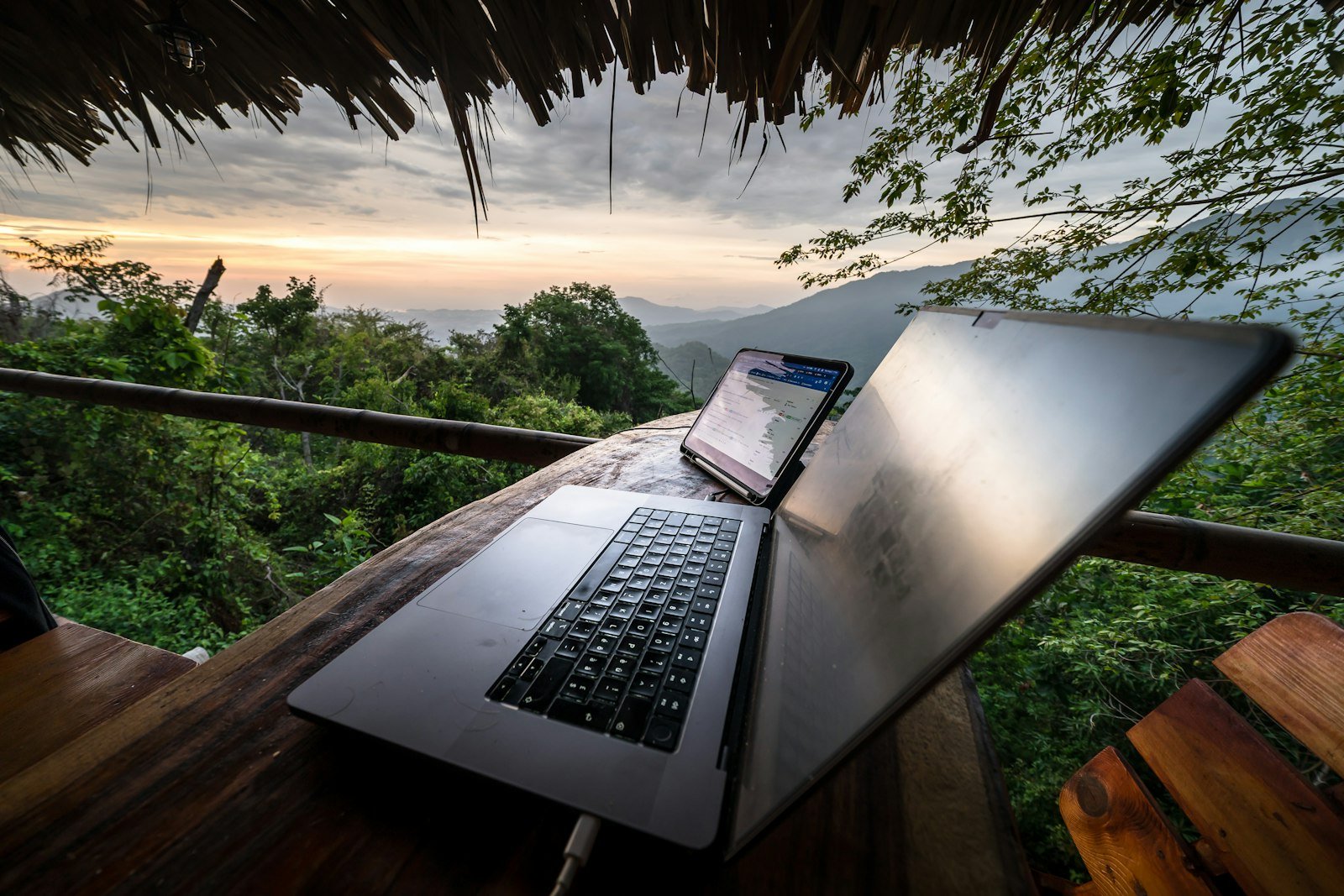
The laptop-on-the-beach fantasy is everywhere. The reality of digital nomad solo travel is both better and harder than the Instagram version: genuine freedom, real income challenges, visa puzzles, and a lifestyle that rewards systems over spontaneity. This is the honest beginner’s guide — what to get right before you go, and how to make it actually work.

The Rule Everyone Skips: Earn First, Travel Later
This is the advice that separates successful nomads from cautionary tales: don’t quit your job and book a flight in the same week. Spend 3–6 months building steady online income first — freelance clients, a remote job, a product with revenue — and only start planning destinations once the money is consistent.
Why this matters more than anything else: financial stress while traveling alone in a foreign country is miserable. It turns every decision into anxiety and forces bad choices (the cheapest hostel in the worst area, skipping insurance, taking sketchy gigs). A financial runway of 3–6 months of expenses, on top of steady income, is what makes the lifestyle sustainable instead of a very expensive gap year.
What Digital Nomads Actually Do for Money
Forget “passive income” fantasies. Real nomad income in 2026 looks like:
- Remote employment — the most stable path. A salaried remote job funds the lifestyle with zero client-hunting.
- Freelancing — writing, design, development, video editing, marketing, virtual assistance. Platforms like Upwork and Fiverr work for starting out; direct clients pay better long-term.
- Consulting and coaching — packaging existing professional expertise for remote clients.
- Content and products — slower to build, but the only path that truly decouples income from hours.
Pick one income skill and get genuinely good at it before departure. Your skill is your passport — the destination is just the backdrop.
Choosing Your First Nomad Destinations
Your first nomad bases should optimize for three things: reliable internet, affordable cost of living, and an existing nomad community. The classics are classics for a reason:
- Chiang Mai, Thailand — the original nomad hub. Cheap, great coworking, huge community.
- Lisbon, Portugal — Europe’s nomad capital. Higher costs, but EU base convenience.
- Medellín, Colombia — spring weather, low costs, fast-growing community.
- Bali (Canggu/Ubud), Indonesia — lifestyle-first, massive community, visa options evolving.
- Mexico City / Playa del Carmen — convenient for North Americans, strong infrastructure.
What to check before committing to any base: average internet speeds (not advertised — ask in nomad forums), coworking availability, cost of a comfortable one-bedroom, and the visa situation (below). Spend your first month somewhere easy and established; save the adventurous bases for when you have routines that work.
Visas in 2026: The Landscape
The digital nomad visa wave is real — dozens of countries now offer them, typically requiring proof of remote income (often $2,000–5,000/month depending on the country), health insurance, and a clean record. But don’t assume you need one: many nomads still travel on tourist visas/entries for shorter stays, which is fine where it’s legal and the stay is genuinely short.
The honest guidance: research each country’s rules specifically, and follow them. Working illegally on a tourist visa where it’s prohibited can mean fines, deportation, or bans. Rules changed frequently through 2024–2026, so verify current requirements on official government immigration sites close to departure — not on a two-year-old blog post.
The Gear: Travel Light, Work Right
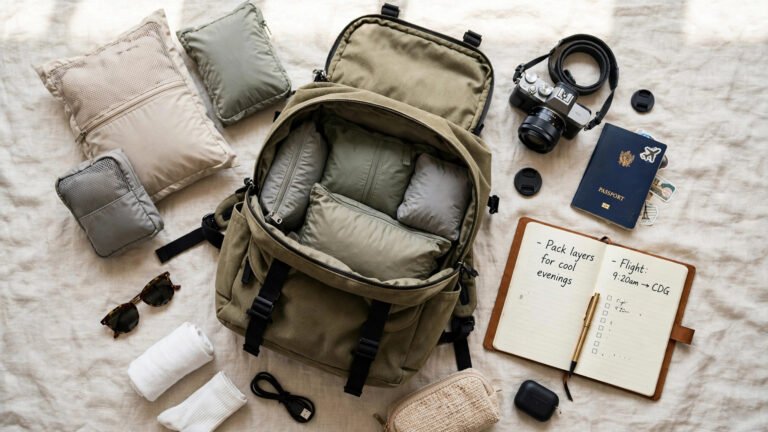
Nomad gear is a careful balance — everything you need to work professionally, nothing you don’t:
- Laptop — your livelihood. Prioritize reliability and battery life over raw power.
- Noise-cancelling earbuds or headphones — for calls from cafés and focus in hostels.
- Universal adapter + power bank — non-negotiable.
- Portable laptop stand + compact keyboard/mouse — prevents the hunched-café-dweller injury spiral on long stays.
- VPN subscription — essential on public Wi-Fi; also useful for accessing home services abroad.
- Cloud backup for everything — documents, photos, work. If your laptop is stolen, you should lose hardware, not your life.
For the full packing system, our solo travel packing checklist covers the travel side; add the work gear above.
Building a Routine That Survives Travel
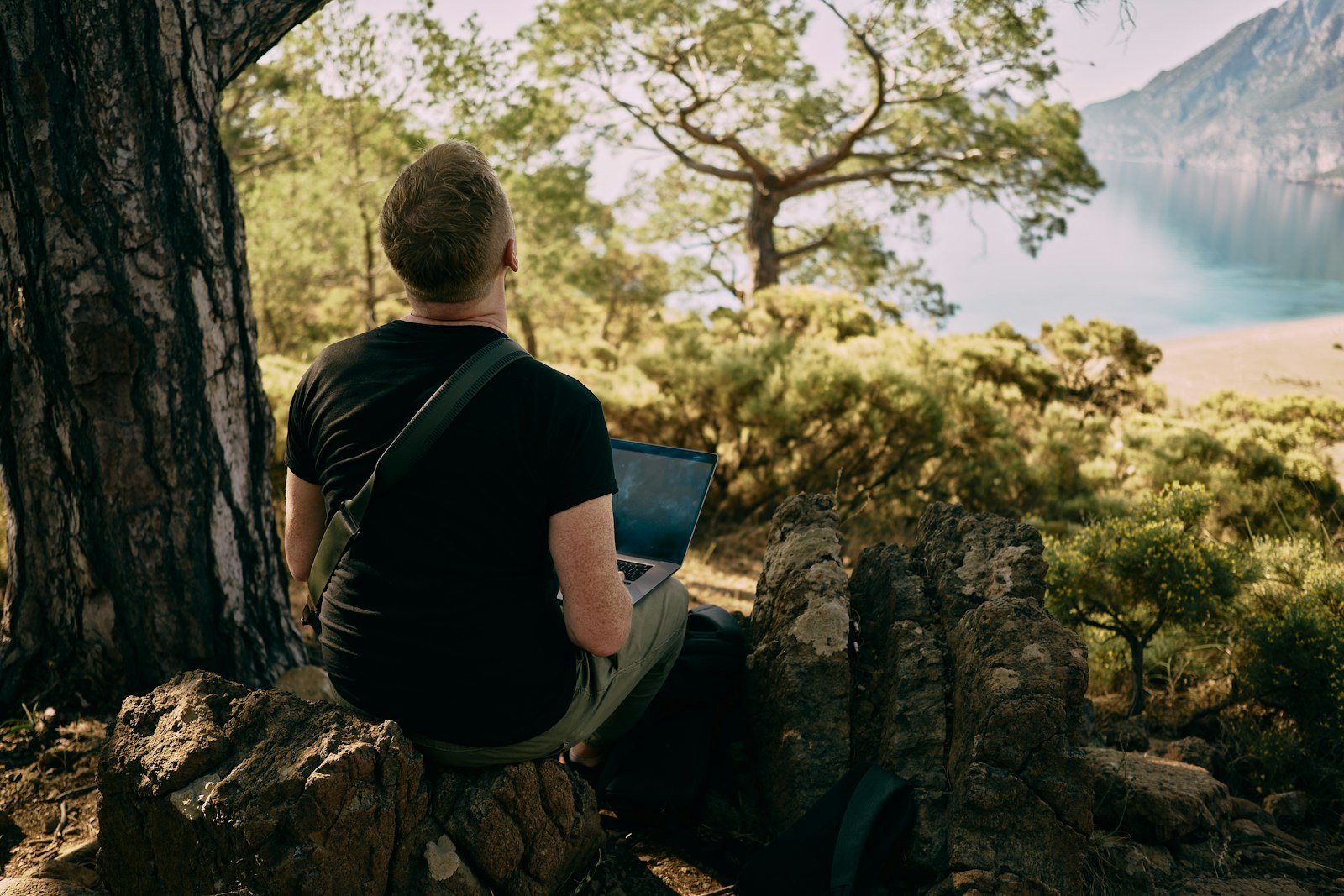
The #1 killer of nomad productivity isn’t bad Wi-Fi — it’s the absence of structure. The lifestyle’s freedom becomes a trap without routines:
- Time-block your days. Mornings for deep work, afternoons for exploring is the classic split — but match it to your energy and your clients’ time zones.
- Batch your meetings into 1–2 days per week so the other days stay flexible for travel.
- Pick accommodation for work first. Fast, reliable Wi-Fi and a real desk matter more than the view. Read reviews specifically mentioning Wi-Fi quality.
- Coworking spaces are worth the cost: better internet, ergonomic setup, and — critically — a built-in community of people who understand the lifestyle. The loneliness solutions in our loneliness guide apply doubly to nomads.
- Protect your health. Exercise routine, sleep schedule, real meals. The “work from a beach bar” lifestyle degrades fast without physical maintenance.
The Real Costs (Monthly Estimates)
Costs vary enormously, but realistic monthly budgets for a comfortable nomad life (private room/apartment, coworking a few days a week, eating out regularly) look roughly like this — estimates only, check current prices:
- Southeast Asia (Thailand, Vietnam, Indonesia): $1,200–2,000/month
- Latin America (Colombia, Mexico): $1,500–2,500/month
- Eastern/Southern Europe (Portugal, Georgia): $1,800–3,000/month
- Western Europe / East Asia (Spain, Japan): $2,500–4,500/month
The pattern: your biggest lever isn’t daily frugality, it’s destination choice. One month in Vietnam costs less than ten days in Tokyo.
Staying Safe and Sane Long-Term
- Insurance that covers long stays. Standard trip policies cap at 30–90 days. Long-term nomads need nomad-specific or annual policies — verify the fine print on “home country” return requirements.
- Taxes don’t disappear. Understand your tax residency obligations; many nomads get this wrong for years. When in doubt, consult a professional — the penalties exceed the fees.
- Burnout is the real risk. The irony of nomad life: you can burn out faster than in an office, because there’s no off-switch. Schedule real time off. Take vacations from the lifestyle, not just within it.
- Community is infrastructure. Join local nomad meetups, coworking events, expat groups. Solo travel doesn’t have to mean isolated travel — our guide on meeting people traveling solo has tactics that work for long-termers too.
For trip-by-trip budgeting as you move between bases, our solo travel apps roundup includes expense trackers built for life on the move.
FAQ
How much money do I need to start as a digital nomad?
Beyond steady income, aim for 3–6 months of living expenses saved as a runway, plus setup costs (flights, deposits, gear). For a Southeast Asia start, that might mean $5,000–8,000 in reserve; for Europe, $10,000–15,000. The reserve isn’t for spending — it’s for sleeping well.
Can I be a digital nomad with no experience?
You need a marketable remote skill first — writing, design, coding, marketing, teaching, admin support. Spend 3–6 months building the skill and landing initial clients before traveling. “Figure it out on the road” is the fastest path to coming home broke.
Do I need a digital nomad visa?
Not necessarily. Many nomads travel on standard tourist entries for shorter stays where that’s permitted. Nomad-specific visas make sense for longer stays (6–12 months) in one country. Always verify current rules on official government sites — requirements and availability change frequently.
How do digital nomads handle loneliness?
Intentionally: coworking spaces, nomad meetups, staying longer in each place (slow travel builds real friendships), and maintaining home relationships with scheduled calls. The nomads who struggle most are the ones who move every week and never build local roots.