
Is Solo Travel Lonely? How to Handle Loneliness on the Road
Let’s be honest about something most solo travel content skips: loneliness while traveling solo is real, it’s common, and feeling it doesn’t mean you’re doing it wrong. The sunset is beautiful and you’d give anything to turn to someone and say “look at that.” Dinner alone is fine on day three and hollow on day twelve. This guide to loneliness traveling solo isn’t about pretending that away — it’s about handling it well.

First: Loneliness Is Normal, Not a Failure
Almost every long-term solo traveler will tell you the same thing: the loneliness hits in waves, usually around days 3–4 (the novelty wears off) and again around week 2–3 (travel fatigue sets in). Evenings are the hardest — daylight is full of distraction, but a quiet hotel room at 9pm gives your brain nothing to do but miss people.
Feeling lonely doesn’t mean solo travel isn’t for you. It means you’re human. The goal isn’t to eliminate the feeling — it’s to have a toolkit ready when it arrives.
The Two Kinds of Alone (And Why the Difference Matters)
There’s productive solitude and there’s spiraling loneliness, and learning to tell them apart changes everything.
Solitude feels like: contentment, curiosity, noticing things, choosing to be alone. You’re at a café with a book and you wouldn’t trade it.
Loneliness feels like: heaviness, scrolling your phone compulsively, comparing your trip to other people’s feeds, wanting to go home.
When you catch the second one, don’t judge it — act on it. The strategies below are organized by speed: quick fixes for tonight, and structural habits that prevent the spiral over a whole trip.
Quick Fixes: What to Do When Loneliness Hits Tonight
Move your body. This sounds too simple to work, which is why nobody believes it until they try it. A 20-minute walk — out of the room, into the evening air — reliably breaks the worst of it. Loneliness festers in stillness. Even a stroll to buy an ice cream changes your state.
Call one person, briefly. Not a long homesick call — a 15-minute check-in with a friend or family member. Schedule these during your low-energy hours (late afternoon, post-dinner) rather than peak exploration time. A short call bridges the connection gap without pulling you out of the trip.
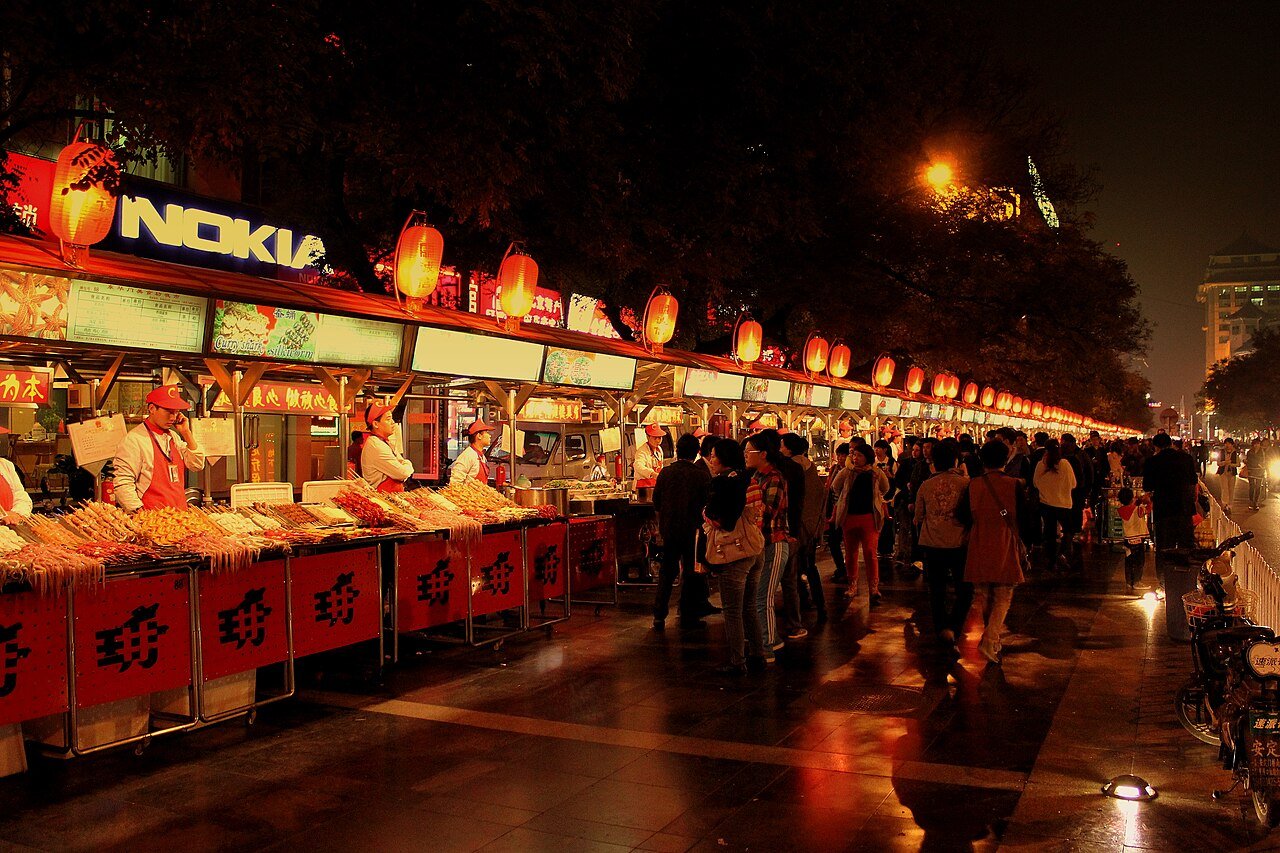
Go where people are. Sit at the bar instead of a table. Eat at the counter. Take your book to the hostel common room instead of your bunk. You don’t have to talk to anyone — just being around human energy helps. Some of the best conversations start from simply being visible and approachable.
Do something you love. Go to the sushi place you’ve been eyeing. Sign up for the cooking class. Visit the museum that excites you. Doing something genuinely enjoyable reminds you why you came — and joy is the fastest loneliness killer there is.
Put the phone down. Scrolling other people’s social feeds while lonely is pouring salt on the wound. If you’re reaching for the phone compulsively, that’s a signal to do one of the things above instead.
Structural Habits: Preventing Loneliness Across a Whole Trip
Quick fixes handle tonight. These habits keep the whole trip healthy:
Stay in social accommodation (at least sometimes)
You don’t have to be a hostel person to benefit from social spaces. Guesthouses with included breakfast, boutique hostels with good common areas, and cooking-friendly rentals all create natural, low-pressure social contact. Breakfast time is naturally social without being forced. Even alternating — a few social nights, a few private nights — keeps the balance right. Our guide on staying safe in hostels covers how to choose good ones.
Join one group activity per destination
Free walking tours, cooking classes, pub crawls, day hikes — one per stop is enough. These are the highest-probability ways to meet people, because everyone there has already opted into being social. You’ll often meet someone to have dinner with that same evening.
Build small daily rituals
Loneliness intensifies when you feel untethered. Small rituals create continuity: morning coffee at the same café, an evening walk to watch the sunset, writing three lines in a journal about the day. Rituals turn unfamiliar places into temporary homes.
Keep a journal
Writing processes feelings that otherwise just loop in your head. It doesn’t have to be profound — “today I saw X, I felt Y” is enough. Many solo travelers find that journaling transforms lonely evenings from something endured into something reflective and even valuable.
Learn the “two-sentence opener”
Most people are happy to chat but nobody wants to start. Having a ready opener removes the friction: “Have you been here long?” / “Anywhere good to eat around here?” Keep it light. If they shut it down, it’s not about you — try the next person. Fellow solo travelers are usually the easiest to talk to because they’re in exactly the same boat.
For more structured tactics on building a social life on the road, see our full guide on how to meet people traveling solo.
When Loneliness Is Actually Telling You Something
Sometimes loneliness is just a passing wave. Sometimes it’s information:
- You’re moving too fast. Constant transit is exhausting and socially shallow. Slow down — stay four nights somewhere instead of two.
- You’re in the wrong place for your mood. A party hostel when you want quiet, or a remote town when you want people. It’s okay to change plans.
- You need rest, not people. Travel fatigue masquerades as loneliness. A full rest day — sleep, good food, no sightseeing — often fixes what socializing can’t.
- The trip needs adjusting, not abandoning. Going home early is always an option, but most of the time a slower pace and one good conversation are all that’s missing.
What Seasoned Solo Travelers Wish They’d Known
Talk to anyone who’s been traveling solo for months and you’ll hear the same reflections: the lonely evenings are the ones they remember most fondly in hindsight. The discomfort is part of what makes solo travel transformative — it’s the feeling of your comfort zone actually expanding. You learn that you can feel lonely and be okay. That you can sit with yourself. That you can walk into a room of strangers and walk out with a dinner companion.
That resilience doesn’t come from avoiding the hard feelings. It comes from moving through them — which is exactly what you’re doing by reading this.
FAQ
Is it normal to feel lonely when traveling alone?
Completely normal. Most solo travelers experience waves of loneliness, especially in the first few days and during evenings. It doesn’t mean the trip was a mistake or that solo travel isn’t for you — it’s a standard part of the experience that gets easier to manage with practice.
How do you meet people when traveling solo?
Stay in social accommodation, join one group activity per destination (walking tours, cooking classes), eat at bars and counters, and use simple openers with fellow travelers. Travel apps designed for meeting people can help too — see our best solo travel apps for current recommendations.
Should I just travel with someone instead?
Only if you want to — not as an escape from a hard evening. The growth, freedom, and self-knowledge of solo travel are worth the occasional lonely night. But there’s no shame in mixing styles: solo for some trips, companions for others. Many travelers do both.
Does solo travel get less lonely over time?
Yes. You get better at reading your own signals, building routines faster, and striking up conversations. The first trip has the steepest emotional learning curve; by the third, you have a personal playbook and the lonely moments become brief and manageable.