Solo Travel in Vietnam: A Complete Beginner’s Guide (2026)
Vietnam is one of the best countries on the planet for a first solo trip. It is affordable, safe, easy to navigate, and packed with places where independent travelers naturally cross paths. This solo travel Vietnam guide gives you everything a beginner needs: how long to go, the best routes, what a day costs, safety rules, scams to watch for, and how to actually meet people along the way.
Is Vietnam Good for Solo Travel?
Short answer: yes, and it is one of the best places to start. Vietnam’s backpacker infrastructure is mature — hostels in Hanoi, Da Nang, and Ho Chi Minh City are social by default, domestic flights are cheap, and the Grab ride-hailing app removes the “lost and helpless at midnight” problem in almost every city.
The travel flow is also naturally solo-friendly. Most first-timers follow the same north-to-south (or south-to-north) spine, so you keep running into the same fellow travelers every few stops. You will never be far from company if you want it — and you will never be forced into it if you don’t.

How Many Days Do You Need?
For a first trip, 10 days is the sweet spot — enough to see the highlights without sprinting. A 7-day trip works if you stick to two or three stops, and 14 days lets you cover all three regions comfortably.
| Trip length | What it covers | Pace |
|---|---|---|
| 7 days | North + one more stop | Fast but doable |
| 10 days | Hanoi, Ha Long Bay, Hue/Hoi An, Ho Chi Minh City | Balanced |
| 14 days | North + Central + South | Comfortable |
Do not try to see the whole country in a week. Vietnam is long and skinny — overland legs eat hours. Pick a route and give each stop breathing room.
The Classic First-Timer Route (North to South)
Stop 1: Hanoi (2–3 days)
Hanoi is the natural starting point. The Old Quarter is chaotic in the best way — street food everywhere, coffee shops on every corner, and hostel common rooms full of people planning the exact same onward route as you. Spend your days exploring the French Quarter, the Temple of Literature, and the food streets, and take a cooking class or a walking tour to meet people.
Stop 2: Ha Long Bay (2 days)
Book an overnight cruise rather than a day trip. Day trips from Hanoi are long bus rides for a few rushed hours on the water. A 2-day/1-night cruise typically costs around $90–$150 depending on the boat class, varies by operator — book a week or two ahead in high season — and usually includes kayaking, a cave visit, meals, and a sunrise on the bay. Cruises with 20–40 guests are the most social option for solo travelers.
Stop 3: Hoi An and Hue (2–3 days)
Fly or take the train south to Da Nang, then head to Hoi An — Vietnam’s most charming town, all lantern-lit lanes and excellent tailors. It is walkable, manageable, and one of the finest places in Southeast Asia to eat. Hue, the old imperial capital, is an easy day trip for history lovers.
Stop 4: Ho Chi Minh City (2 days)
Finish in the south’s biggest city. It is louder and more modern than Hanoi — great museums, the Cu Chi tunnels day trip, and a huge hostel scene. Then fly home, or add the Mekong Delta if you have extra days.
What Does Solo Travel in Vietnam Cost?
Vietnam is genuinely affordable, but traveling alone means you absorb costs — private rooms, Grab rides — that couples split. Plan on these rough daily ranges (2026 estimates, vary by season and city):
- Budget: typically around $25–$40/day — hostel dorms, street food, local buses
- Mid-range: typically around $50–$80/day — private hostel rooms or 3-star hotels, restaurant meals, some tours
- Comfort: typically around $100+/day — boutique hotels, domestic flights, premium tours
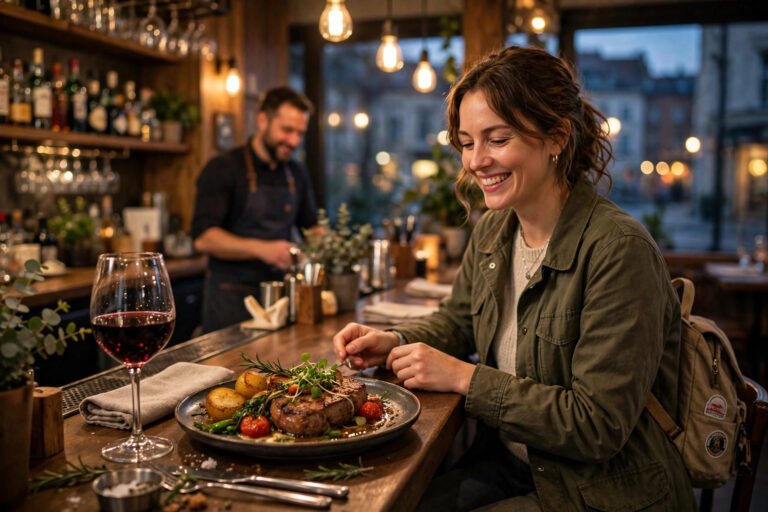
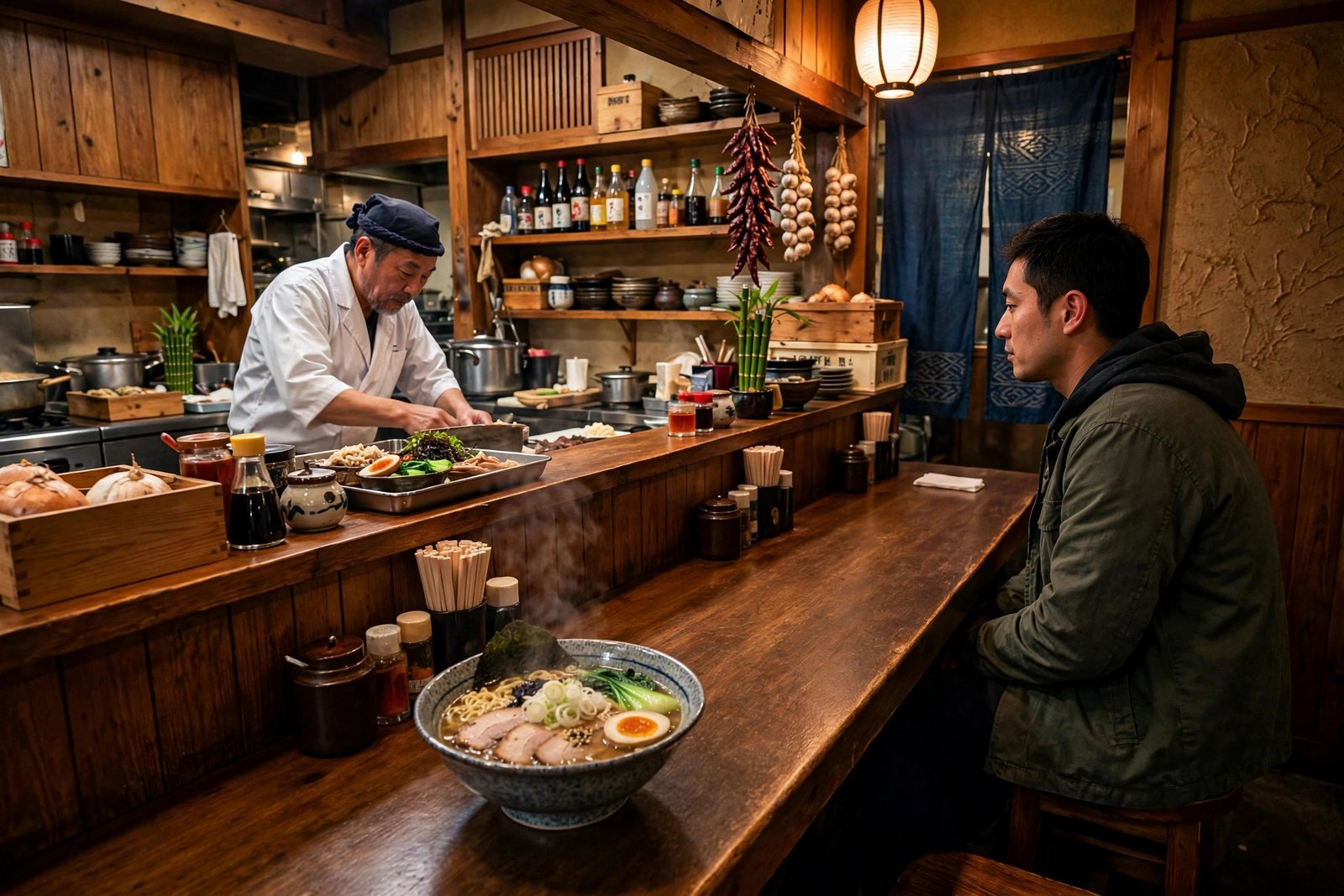
Street food is the best value and the best food, full stop. A bowl of pho from a busy pavement stall is delicious and costs pocket change — and eating solo at street stalls feels completely normal in Vietnam. For more on that, see our guide to how to eat alone at restaurants.
Money tips for solo travelers:
- Carry a mix of cash (Vietnamese dong) and one travel-friendly debit card. Cash is still king for street vendors and small guesthouses.
- ATMs are everywhere but charge per withdrawal, so withdraw larger amounts at once.
- Agree on Grab car prices in the app instead of hailing street taxis — it kills the overcharging problem instantly.
Solo Safety in Vietnam: What to Know
Vietnam is one of the safest countries in Southeast Asia for solo travelers, including solo women. Violent crime against tourists is rare. The real risks are petty theft and scams, both easily managed:
- Bag snatching: Wear your daypack in front in busy areas and keep your phone zipped away on motorbike-heavy streets.
- Keep valuables locked up: Use hostel lockers and bring your own padlock. Our full guide to staying safe in hostels covers the complete dorm routine.
- Share your live location with someone back home and check in daily.
- Trust your gut. If a situation feels off — a too-friendly stranger insisting on a specific bar, a tour deal that is dramatically cheaper than every competitor — walk away.
For the scam-specific playbook, read our breakdown of the 10 scams that target solo travelers before you fly.
How to Meet People Traveling Solo in Vietnam
Vietnam does half this work for you. Stay in social hostels (look for ones with organized pub crawls, family dinners, and group tours — Hostelworld’s “social” filter helps), book small-group day tours for Ha Long Bay, the Ha Giang loop, or cooking classes, and linger in common areas instead of your bunk.
The classic move: tell the hostel staff it is your first night and ask what is happening tonight. Hostel bars and rooftop hangouts are where solo itineraries merge into travel friendships. Our deeper guide on how to meet people traveling solo has conversation starters that actually work.
First-Night Arrival Playbook
Your first 24 hours set the tone for the trip. Land with this checklist handled:
- Visa sorted before departure — most nationalities need Vietnam’s e-visa; apply online at least a week ahead.
- First two nights pre-booked in a well-reviewed hostel near the Old Quarter (Hanoi) or District 1 (Ho Chi Minh City). Arriving exhausted with no bed is how trips start badly.
- Grab app installed with your payment method set up — airport pickup without haggling.
- Local SIM or eSIM — buy at the airport or set up an eSIM before landing so maps work immediately.
- Offline maps downloaded for your arrival city.
FAQ
Is Vietnam safe for solo female travelers in 2026?
Yes. Vietnam is widely considered one of the safest Southeast Asian countries for solo women — violent crime against tourists is rare. Standard precautions apply: stay in well-reviewed accommodation in busy areas, keep valuables secured, avoid walking alone late at night in unfamiliar areas, and share your itinerary with someone at home.
What is the best month to visit Vietnam solo?
October to December is generally the best window — cooler, drier weather in the north and center. March to May is also pleasant. Avoid September–November in central Vietnam (typhoon season) and be ready for serious heat and rain in the south from May to September.
Do I need a visa for Vietnam?
Most nationalities need an e-visa, which allows stays of up to 90 days with multiple entries and is applied for online before travel. Some European nationalities get 45 days visa-free. Always confirm current rules on Vietnam’s official immigration portal before booking, as policies change.
Is 7 days enough for Vietnam?
Seven days is enough for a highlights trip — for example, Hanoi, Ha Long Bay, and Hoi An — but you will move fast. Ten days is the comfortable minimum for a first solo trip without feeling rushed.