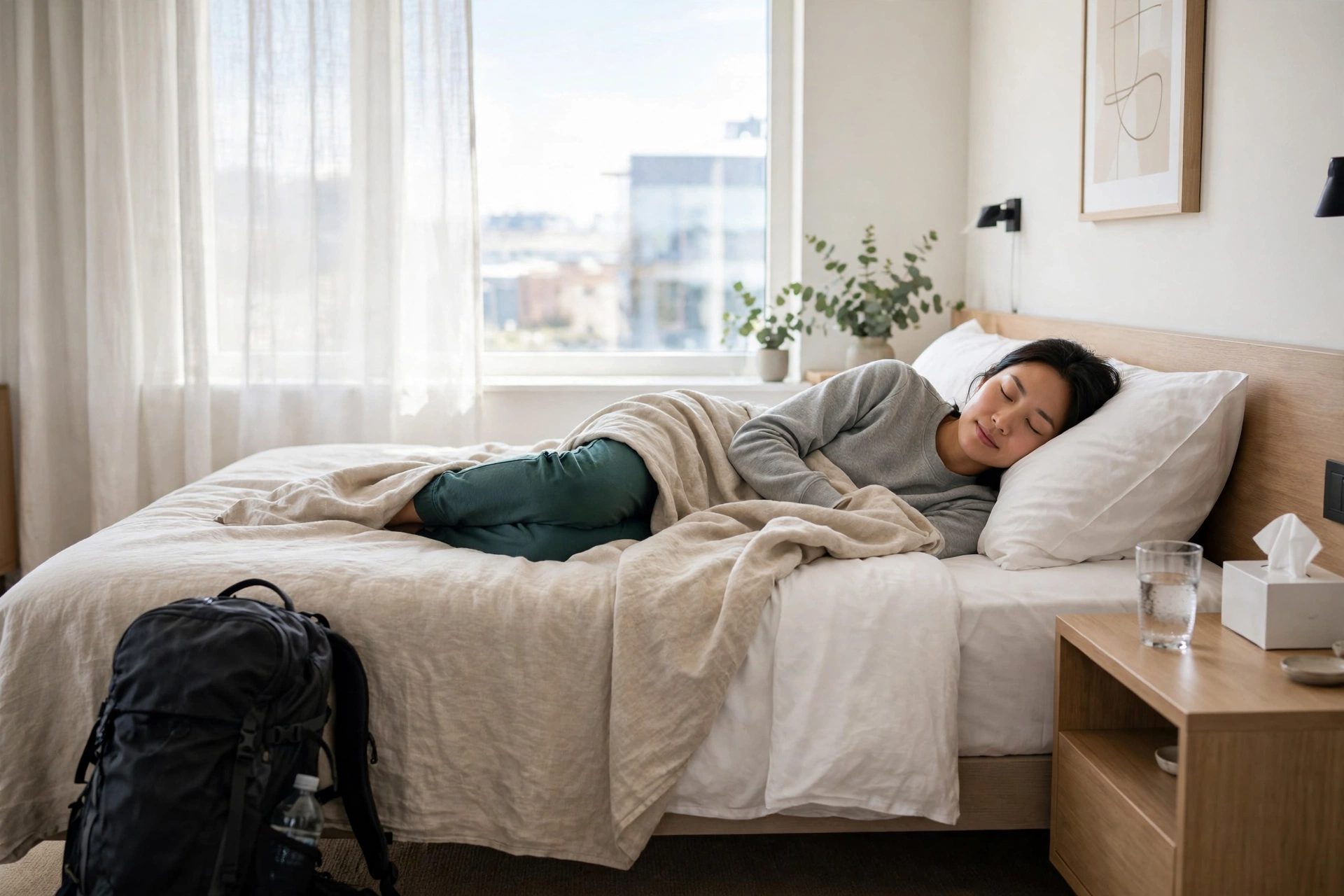
What to Do If You Get Sick While Traveling Solo
Getting sick while traveling alone is every solo traveler’s quiet fear. Here’s the reassuring truth: most travelers who get sick recover quickly, and there’s a well-worn playbook for handling it solo. The difference between a miserable ordeal and a manageable bump is preparation plus knowing the steps.
This guide is that playbook: how to assess what’s happening, where to get help (pharmacy vs. clinic vs. hospital), how to use your travel insurance, how to get practical help when you’re alone, and how to prevent the common stuff in the first place. (This is practical travel guidance, not medical advice — when in doubt, see a real clinician.)
Step 1: Assess the Severity Honestly
Without a companion for a second opinion, solo travelers need a clear triage framework:
Handle it yourself (rest + pharmacy): mild traveler’s diarrhea, common cold symptoms, minor headache, mild sunburn, jet lag, motion sickness. Uncomfortable but not dangerous, and you know what it is.
See a clinician promptly (clinic or doctor): fever above 38.5°C/101°F lasting more than a day, vomiting or diarrhea lasting more than 24–48 hours, signs of dehydration (dizziness, very dark urine, dry mouth), animal bites or scratches, ear infections, urinary symptoms, any wound that’s getting worse instead of better.
Get emergency help immediately: difficulty breathing, chest pain, severe dehydration, confusion, severe abdominal pain, or anything your gut says is serious. Save the local emergency number on arrival (112 in most of the EU, 911 in the US).
When you’re alone, err on the side of getting checked. There’s no prize for toughing out something serious, and a clinic visit in most countries costs far less than travelers expect.
Step 2: Pharmacy vs. Clinic vs. Hospital — Where to Go

One of the most useful things a solo traveler can know is which door to knock on:
Pharmacy first, for minor issues. In much of Asia, Latin America, and Southern Europe, pharmacists can advise on and dispense many medications without a prescription. Describe symptoms clearly (a translation app helps) — they’ll usually know exactly what you need.
Clinic or local doctor, for anything beyond minor. Your accommodation is your best resource here — ask the front desk or host for a recommended clinic. Hotels deal with sick guests regularly and know which local doctors are reliable and used to treating foreigners. In many countries, a private clinic visit costs $20–50 (estimate — varies widely), you walk in without an appointment, and you’re seen within the hour.
Hospital, for emergencies. For anything severe, go to the emergency department of the largest hospital nearby. If you’re unsure where to go, your travel insurance’s emergency assistance line (save this number before every trip) will direct you to an appropriate facility — this is one of the most valuable services travel insurance provides.
Your embassy, as backup. Embassies provide lists of recommended doctors and hospitals, and can contact your family in serious cases. Our travel insurance guide explains how the two work together.
Step 3: Use Your Travel Insurance Properly
This is where advance preparation pays off. If you bought travel insurance (and as a solo traveler, you should — there’s no one to cover for you):
- Call the emergency assistance line early for anything beyond minor. They’ll direct you to vetted facilities, and in many cases arrange direct billing so you’re not paying out of pocket.
- Keep every document. Every receipt, prescription, medical report, and invoice — photograph them immediately and keep the originals. Even small pharmacy purchases should be documented for claims.
- Don’t consent to major procedures without a second channel. For anything invasive or expensive, call your insurer first if the situation allows. They can advise on whether to proceed locally or arrange medical transport home.
- Check in with your regular doctor when you’re back. Tell them exactly what happened, what you were diagnosed with, and what treatment you received. Bring your documentation.
The travelers who have bad insurance experiences are almost always the ones who didn’t call the assistance line and didn’t keep receipts. The line exists — use it.
Step 4: Get Practical Help When You’re Alone
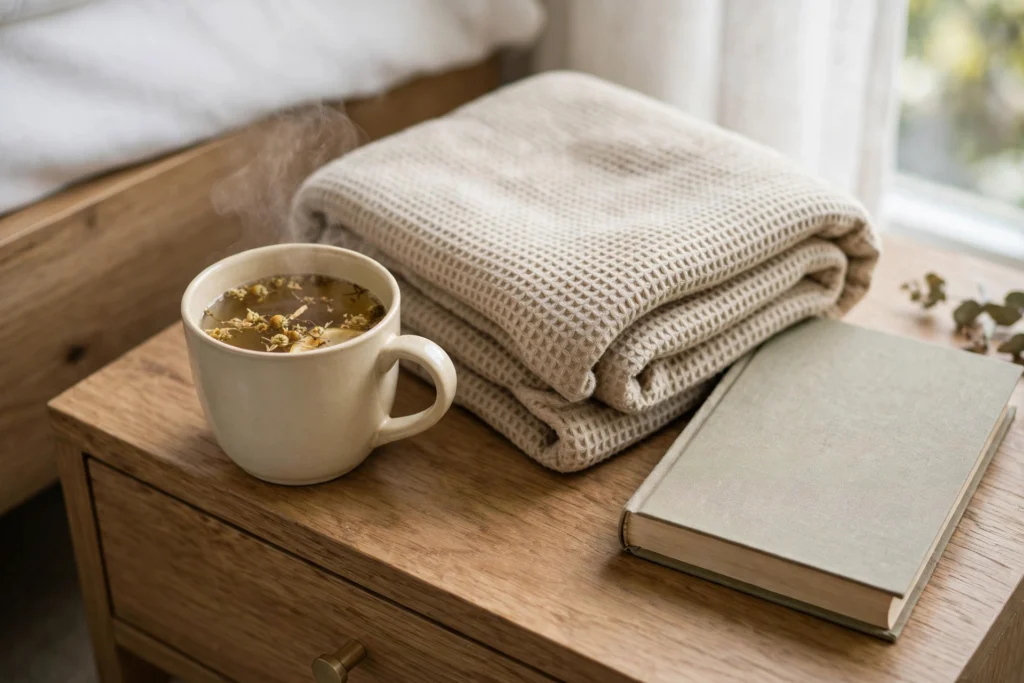
Being sick alone in a foreign hotel room is as much a logistics problem as a medical one. Here’s how solo travelers get help:
- Tell your accommodation. Front desk staff and hostel managers help sick guests constantly — they can call a doctor, buy medicine, and check on you. Don’t suffer in silence.
- Ask for specific things. “Can you help me?” is hard to act on. “Could you buy rehydration salts and bottled water from the pharmacy?” gets results. People want to help — make it easy.
- Message someone at home. Tell a friend or family member you’re sick, where you are, and what your plan is. If things worsen, someone knows. Share your live location during the acute phase.
- Use delivery apps. In most cities, Grab, Gojek, Rappi, or local equivalents will deliver pharmacy items, food, and water to your door. Set them up before you need them.
- Fellow travelers. If you’re in a hostel, tell the staff or a friendly face. The solo travel community looks after its own — many travelers have stories of strangers-turned-caretakers.
The Recovery Routine: Rest Like You Mean It
The biggest mistake sick solo travelers make is trying to “push through” so the trip isn’t wasted. This backfires without exception — you extend the illness, feel worse, and enjoy nothing. Instead:
- Cancel plans without guilt — a rest day is what lets you enjoy the remaining days.
- Hydrate aggressively: water, rehydration salts, clear broths. Avoid alcohol entirely.
- Eat bland and simple: rice, toast, bananas, broth. Save street food for recovery.
- Sleep as much as you can — your body heals during sleep.
Most travel illnesses resolve in 24–72 hours with rest and fluids. Give your body that window before worrying.
Prevention: The Solo Traveler’s Health Checklist
An ounce of prevention is worth a week of cure, especially alone:
- Pack a mini health kit: rehydration salts, basic pain reliever, anti-diarrhea tablets, motion sickness pills, plasters/bandages, antiseptic wipes, any personal prescriptions, and a thermometer. Our solo packing checklist covers the full packing picture.
- Water discipline. In countries where tap water isn’t safe, use bottled or purified water — including for brushing teeth. Ice in reputable restaurants is usually fine; street-stall ice is a gamble.
- Food judgment. Eat where locals eat in numbers (high turnover = fresh), avoid raw items from questionable sources, and beware long-sitting buffet food.
- Hand hygiene. Carry hand sanitizer and use it before eating. It’s the simplest, most effective prevention there is.
- Sun and heat. Sunscreen, hat, water — heat exhaustion sneaks up on travelers who are walking all day in tropical climates.
- Vaccinations. Check recommended vaccinations for your destination well before departure (some need weeks to take effect).
- Don’t overdo day one. Arriving exhausted, dehydrated from the flight, and immediately eating adventurous street food is how most travel illnesses begin. Ease in.
FAQs
What should I do first if I get sick alone in a hotel? Tell the front desk, assess severity (rest + pharmacy for minor issues, clinic for anything persistent), hydrate, and message someone at home with your situation and location. Don’t try to handle anything beyond minor alone in silence — your accommodation helps sick guests regularly.
Can I get medicine without a prescription abroad? In many countries, yes — pharmacists in much of Asia, Latin America, and Southern Europe can dispense a wide range of medications and will advise on symptoms. Use a translation app to describe what’s wrong, and confirm what you’re buying with a quick search.
Will my travel insurance cover me if I get sick abroad? Good policies cover emergency treatment and often trip interruption. Call the assistance line early for vetted facilities and direct billing — and keep every receipt.
How do I avoid getting sick while traveling? The big three: safe water (bottled/purified where tap isn’t safe), food judgment (busy local places, fresh and hot), and hand hygiene (sanitizer before eating). Add sun protection, adequate sleep, and easing into new cuisines rather than going all-in on day one.
Getting sick while traveling solo is almost always manageable in practice. Prepare the kit, save the numbers, know the steps — then stop worrying and enjoy the trip.